Number 1 Wellbeing & Healthcare Platform
Get 20% off on 1st online pharmacy purchase Use Code: NEW20
UAE
|
عربي
20% off 1st online pharmacy purchase! Code: NEW20
Browse today's
Top Deals
and find your products
Previous
Next
Site Navigation
Shop
Brands
NDL
Humantara
carroten
betadine
La Roche Posay
solaray
eucerin
vitabiotics
bioderma
vichy
lacabine
now
NMN
acm
dymatize
isdin
priorin
medicube
country-life
blueberry-naturals
bepanthen
21st-century
accu-chek
activise
acuvue
annemarie-borlind
webber-naturals
aveeno
freestylelibre
cetaphil
CHalpha
cerave
dralthea
mustela
celimax
vitalproteins
anua
theordinary
neocell
Goongbe
K18
uriage
planet-paleo
egoqv
optimumnutrition
olaplex
cosrx
optibac
OMRON
fino
doppelherz
desert-essence
chewy-vites
Probulin
Biochem
SVR
skinceuticals
Feel
True-honey
vitamax
Sunsilk
solgar
PONDS
Shea-Moisture
Vaseline
Health & Wellness
Wellness Essentials
Weight Loss Package
Routine Health Check
Healthy Heart Package
Original IV
Intolerance Test
Health Support
Skin & Hair
Bone & Joint
Brain & Memory
Heart Health
Diabetic Support
Kidney & UT Support
Liver Support
Prostate Health
Vitamins
Multivitamins
Vitamin A
Vitamin B
Vitamin C
Vitamin D
Vitamin E
Vitamin K
Minerals
Magnesium
Iron
Calcium
Zinc
Potassium
Selenium
Chromium
Wellness & Lifestyle
Immunity & Wellbeing
Anti Aging
Energy & Wellness
Detox & Cleanse
Sleep & Stress Support
Weight Management
PMS & Menopause
Sexual Health
Speciality Supplements
Fish Oil & Omega
Antioxidants
Organic
Vegan
Gluten Free
Herbal & Ayurvedic
Gut Health
Digestive Enzymes
Probiotics
Fiber Supplements
Sports Nutrition
Protein Powders
BCAA & Amino Acids
Pre & Post Workout
Creatine & Performance
Protein Bars & Drinks
Fat Burners
Mass Gainers
Sports Hydration
Healthy Food
Health Drinks
Superfoods
Healthy Snacks
Honey & Sugar Free
Nutrition Trends
Nutrition & Body Balance
Super Detox IV
Gut Restore IV
Intolerance Test
Hydration Boost IV
GLP -1 Package
Discover Nutrition
Collagen
Biotin
Creatine
Glutathione
Antiaging NMN
Amino Acids
Glucosamine
Berberine
Plant Based Proteins
Super Greens
Gummies
Effervescent Tablets
Women's Health
Women’s Wellness+
Weight Loss Package
Executive Checkup
Executive Checkup
Hormone Profile
Skin IV Drip
Women's Health & Wellness
Women's Supplements
Beauty Supplements
Women's Fertility
Pregnancy & Lactation
Prenatal Support
Pre Menstrual Support
Menopause Support
UT & Vaginal Health
Thyroid Care
Hair Supplements
Men's Health
Men’s Wellness+
Weight Loss Package
Vitals Check Plus
Executive Checkup
Executive Checkup
PRP Package
Men’s Health & Wellness
Men's Sexual Health
Prostate Care
Men's Supplements
Men's Hair Growth
Home Health
Care to Your Home
Doctor at Home (GP)
Flu Vaccine for Adult
Routine Health Check
Vitals Check at Home
GLP -1 Package
Health Monitors
Blood Sugar Monitors
Blood Pressure Monitors
Test Strips
Thermometers
Pulse Oximeters
Scales
Fitness Accessories
Stethoscopes
Orthopedic Support
Abdominal Binders
Arm Support
Elbow Support
Wrist & Palm Support
Shoulder & Back Support
Rib Support
Neck Support & Pillows
Ankle Support
Knee Support
Splints & Protectors
Compression Stockings
Insoles & Cushions
Specialty Support
Mobility Support
Walking Stick & Cane
Crutches
Physiotherapy
Wheelchairs
Walker
Bath & Bed Support
Shower Chair
Bathroom Rails
Bedside Accessories
Commode
Respiratory Care
Spacers
Airway Support Devices
Covid 19 Test Kits
Home & Travel
Humidifiers & Diffusers
Travel Essentials
Room Fragrance
Medical Essentials
Essential Care
Doctor at Home (GP)
Pediatrician at Home
Diabetic Package
Intolerance Test
Immune Booster IV
Cold & Flu
Steamers & Nebulizers
Nasal Preparations
Sore Throat Remedies
Allergy Relief
Chest Rubs & Oils
Cough & Fever
Dry Cough
Fever Remedies
Wet Cough
Pharmacy Remedies
Rash & Eczema
Mouth & Gum Care
Vaginal & UTI Relief
Corns & Warts
Lice & Scabies
Acne Care
Ear Wax & Hygiene
Antifungals
Scars & Bruises
Pain Relief
Menstrual Cramps
Hot & Cold Therapy
Earache
Body & Joint Pain
Toothache
Headache & Migraines
First Aid
Tapes & Bandages
First Aid Box
Burn Relief
Sting & Bite Relief
Wound Care
Blister Care
Digestive Remedies
Diarrhea
Colic & Flatulence
Hemorrhoid Relief
Antacids & Heartburn
Constipation
Specialist Remedies
Homeopathy
Family Planning
Nicotine Replacement
Medical Supplies
Masks & Gloves
Medication Aids
Pill Organizers
Sterile Disposables
Diabetic Essentials
Beauty & Personal Care
Personal Care IVs
Skin Glow Max IV
Anti Hair Loss IV
Skin, Hair and Nails IV
Ultimate IV
Weight Loss IV
Skin Care
Face Wash & Cleansers
Skin Toner & Mist
Face Serums & Oils
Face Masks
Scrubs & Exfoliants
Face Creams & Lotions
Eyes & Lashes
Lip Care
Skincare Accessories
Make Up
Eyes
Lips
Face
Nails
Make Up Tools
Make Up Remover
Sun Care
Face Sunscreen
Body Sunscreen
After Sun
Tanning Oil
Bath & Body Care
Body Wash & Soaps
Bath Salts & Scrubs
Body Lotions & Creams
Body Oils
Essential Oils & Balms
Body Mist & Spray
Bath Accessories
Hair Care
Shampoo
Dry Shampoo
Conditioners
Hair Treatments
Hair Oils
Hair Colors
Hair Styling
Hair Accessories
Oral Care
Toothpaste
Toothbrushes
Floss & Brush Tools
Mouthwash
Breath Freshners
Denture Care
Fragrance & Deodorants
Men's Perfumes
Women's Perfumes
Unisex Perfumes
Deodorants & Roll Ons
Gift Sets
Feminine Care
Sanitary Pads
Tampons
Panty Liners
Hair Removal Creams
Wax Strips
Epilators & Razors
Intimate Wash
Men's Grooming
Shaving Gels & Foam
Shavers & Trimmers
Razors & Refills
Beard & Moustache Care
Sexual Wellness
Condoms
Lubricants & Gels
Sexual Enhancers
Hand & Foot Care
Hand Creams
Foot Creams
Foot Masks & Scrubs
Nail & Cuticle Care
Mani Pedi Tools
Hygiene Essentials
Cotton Buds & Wipes
Hand Wash & Sanitizers
Adult Diapering
Korean Beauty
K-Collection
K-Serums & Oils
K-Toners & Mist
K- Facewash & Cleansers
K-Creams & Lotions
K- Face Mask
K- Makeup
K-Suncare
K- Eyecare
Beauty Trends
Aesthetic Care Picks
Skin Glow IV
Anti Hair Loss IV
NAD+ Anti-Aging IV
Acne Screen
Dental Screening
Trending in Beauty
Anti Aging & Firming
Retinal & Retinol
Vitamin C Serums
Salicylic Acid
Hyaluronic Acid Serums
Dark Spot Correction
Collagen & Peptides
Niacinamide
AHA PHA BHA
Mother & Baby
Women & Children Care
Kids Health Checkup
Kids Flu Vaccine
Hormone Profile
Family Flu Vaccine
Skin, Hair and Nails IV
Baby Diapering
Baby Diapers
Diaper Disposal
Diaper Rash Creams
Baby Wet Wipes
Baby Bath & Skin Care
Baby & Kids Oral Care
Baby Bath Accessories
Baby Shampoos
Baby Fragrance & Mists
Baby Lotions & Creams
Baby & Kids Sun Care
Travel & Gift Sets
Baby Soaps & Cleansers
Baby Grooming
Baby Oils & Powders
Baby Food & Supplements
Baby Milk Formula
Baby Supplements
Baby Food
Kids Food & Supplements
Kids Milk Formula
Kids Supplements
Kids Food
Moms & Maternity
Pillows & Supports
Breast & Nipple Care
Pre Natal Supplements
Nursing Bras & Covers
Pregnancy Test Kits
Maternity Pads & Pants
Post Natal Supplements
Pregnancy Skin Care
Baby & Kids Medication
Cough & Cold
Nasal Aspirators
Digestive Aid
Fever
Anti Colic Remedies
Baby Feeding
Bibs & Burp Clothes
Starter & Gift Sets
Teethers & Soothers
Bottle Feeding
Breast Feeding
Sippers & Cups
Weaning & Mealtime
Baby Nursery & Safety
Baby Monitoring
Baby Gear
Detergents & Cleansers
Baby Nursery
Pet Care
Pet First Aid
Pet Wound Care
Pet Allergy Relief
Ear & Eye Care
Paw & Coat Care
Pet Supplements
Pet Digestive Support
Skin & Coat Health
Worming Control
UT & Detox Support
Pet Stress Relief
Pet Immune Support
Hip & Joint Support
Pet Grooming
Shampoos & Washes
Doctor Consultation
All Facilities
Aster Clinic, Bur Dubai (AJMC)
Aster Diagnostic Centre (Medinova), Burdubai
Aster Hospital Mankhool
Aster Day Surgery Center
Aster Clinic, Karama (UMC)
Aster Clinic, Karama (DMMC, Nr. Karama Park)
Aster Medical Centre Oud Metha
Aster Clinic, Satwa (Saleem Polyclinic)
Aster Imaging Centre, Al Muteena
Aster Clinic, Al Muteena
Aster Clinic, Sheikh Zayed Road
Aster Clinic, Al Shaab
Aster Clinic, Abu Hail
Aster Royal Clinic, Downtown
Aster Clinic, Business Bay
Aster Clinic, Al Nahda, Dubai
Aster Clinic, Al Qusais 2 (Near DAFZA Metro Stn)
Aster Clinic, Al Qusais (Damascus Street)
Aster Clinic, Al Nahda, Sharjah 1
Aster Speciality Clinic for Orthopaedics and Physiotherapy, Al Qusais (Al Ahbabi Building)
Aster Clinic, Al Nahda, Sharjah
Aster Hospital Al Qusais
Aster Clinic, Muhaisnah
Aster Clinic, Marhaba Mall, Ras Al Khor
Aster Clinic, Sharjah (King Faisal Rd.)
Aster Clinic, Al Quoz - Al Khail Mall
Aster Clinic, Al Quoz
Aster Clinic, Abu Shagara
Aster Orthopedic & Physiotherapy Speciality Clinic, Al Warqa
Aster Clinic, Al Warqa
Aster Hospital Muhaisnah
Aster Clinic, International city (ARPC)
Aster Clinic, International City (V19 Russia Cluster)
Aster Specialty Clinic, International city (Pavilion Mall, France Cluster)
Aster Clinic, Halwan
Aster Clinic, Al Butina, Sharjah
Aster Clinic, Muwaileh, Sharjah
ADC Sharjah DHPO
Aster Clinic, Liwan
Aster Clinic, Al Barsha
Aster Clinic, Dubai Silicon Oasis
Aster Clinic Al Sweihat
Aster Clinic, Aswaaq Mall
Aster Clinic, Dubailand
Aster Speciality Clinic, Ajman
Aster Clinic, Tecom (Barsha Heights)
Aster Clinic, Nuaimiah, Ajman
Aster Clinic, Arjan
Aster Royal Clinic Springs Souk
Aster Clinic, JLT
Aster Clinic, Jumeirah Village Circle ( JVC )
Aster Royal Clinic, Arabian Ranches 2
Aster Clinic, Sports City
Express Clinic JBR, Aster Pharmacy 180
Aster Clinic, Discovery Gardens(Gardens Speciality Clinic)
Aster Clinic, Discovery Gardens (Zen Cluster)
Aster Clinic, Remraam
Aster Clinic Dubai Investment Park
Aster Clinic, Jebel Ali
Aster Hospital Cedars
Aster Clinic Umm Al Quwain
Aster Clinic, Ras Al Khaimah
Specialities
General Medicine
Pediatrics
Obs & Gynae
ENT
Urology
Orthopedics
Ophthalmology
Internal medicine
Gastroenterology
Dermatology
Cardiology
Dentistry
Dietetics
Endocrinology
Endodontics
Family medicine
General surgery
Nephrology
Neurology
Neurosurgery
Psychiatry
Pulmonology
Rheumatology
Oncology
Plastic Surgery
Clinical Psychology
Vascular Surgery
Pediatric Neurology
Geriatrics
Health Hub
All Categories
Women and Children
Men's Health
Aesthetics & Dental
Sexual Health
Health & Wellness
IV Drips
Vaccines & Diagnostics
Physiotherapy at home
Doctor At Home Services
At Home Services
IV Drips
Vaccines & Diagnostics
Physiotherapy at home
Doctor At Home Services
Weight Loss
Weight Loss program - 3 months
Weight Loss Program - 6 months
Weight Loss IV
GLP 1 weight loss programs
Best Seller IV Drips
Skin IV Glutathione Max
Energy Boost IV
Hydration IV
Original IV
Premium IV Drips
NAD+ Anti-Aging IV
Ultimate IV
Pre/Post Party IV
Skin Hair and Nails IV
Health Checkups @ Home
Routine Health Checkup
Advanced Health Checkup
Platinum Health Checkup
Men's Health Checkup
Diagnostics & Screening
Sexual Health Checkup
Cancer Screening Female
Food Intolerance /Allergy Test
Vitamin D Test
Vaccine @ Home
Chickenpox Vaccine (Varicella)
Typhoid vaccine
Meningococcal Vaccine
Pneumonia Vaccine (Pneumococcal)
Cervical Cancer Protection Vaccine (HPV)
Mother and Baby
Child Health Checkup
Women's Hormone Profile
Women's health > 40 years
Women's health < 40 years
Other Lab Tests
Full body checkup
Diabetes
Thyroid
Vitamin B12
Hair fall Screening
Heart health
Liver
Hepatitis
Opticals
Eye Care & Opticals
Sunglasses
Men's Sunglasses
Unisex Sunglasses
Women's Sunglasses
Kids Sunglasses
Reading Glasses
Kids Reading Glasses
Unisex Reading Glasses
Contact Lenses
Clear Lenses
Color Lenses
Eye Care Accessories
Lens Care
Drops & Lubricants
Eye Patch & Protectors
Eye Wash & Cleaning
Allergy Eye Drops
Optical Frames
Men's Optical Frames
Women's Optical Frames
Unisex Optical Frames
Eye Health
Quick Links
Offers & Promotions
Health Blog
Shop
Doctor Consultation
Health Hub
Opticals
Offers & Promotions
GLP-1 Support
Blogs
Online Pharmacy
/
Beauty & Personal Care
/
Bath & Body Care
/
Body Oils
Filters
Clear
Delivery
Get it by Tomorrow
Price
On Sale
AED
6 -
AED
216
Categories
+
Beauty & Personal Care
59
+
Bath & Body Care
59
Body Oils
59
+
Trending Now
1
+
Beauty Trends
1
Korean Beauty
1
Brands
Now
12
Enjoy
7
Vaseline
6
Evoluderm
5
Hemani
3
Himani
3
+17 More
Gender
Unisex
48
Women
2
Body Oils
Found 59 results
Name (A-Z)
Relevance
Newest
Prices (Low First)
Prices (High First)
On Sale
Brand
Price
Subscribe & Save
Clear All
55% Off
Subscribe & Save
Now Solutions Coconut Oil - 475ml
60 mins
delivery
AED
69.75
AED
155
25% Off
Nuxe Huile Prodigieuse Florale Multi-Purpose Dry Oil 100ml
Free delivery by
Tomorrow
AED
168.38
AED
224.50
10% Off
Sol De Janeiro Bum Bum Body Firmeza Oil 100ml
Free delivery by
Tomorrow
AED
216
AED
240
55% Off
Subscribe & Save
Now Solutions Rose Hip Seed Oil - 30ml
60 mins
delivery
AED
47.25
AED
105
50% Off
Subscribe & Save
Now Solutions Jojoba Moisturizing Oil - 118ml
60 mins
delivery
AED
57.01
AED
114.01
50% Off
Now Solutions 100% Sweet Almond Oil - 473ml
60 mins
delivery
AED
69.51
AED
139.01
50% Off
Subscribe & Save
Now Solutions Natural Coconut Oil - 207ml
60 mins
delivery
AED
42
AED
84
45% Off
Subscribe & Save
Now Solutions Shea Butter Emollient - 207ml
60 mins
delivery
AED
46.20
AED
84
50% Off
Subscribe & Save
Now Solutions 100% Pure Grapeseed Oil - 118ml
60 mins
delivery
AED
24.50
AED
49
45% Off
Subscribe & Save
Now Solutions 100% Sweet Almond Oil - 118ml
60 mins
delivery
AED
30.25
AED
55
50% Off
Enjoy Ice Cream Fragranced Massage Oil 175ml
Delivered by
Tomorrow
AED
45
AED
90
50% Off
Lowest Price
in 30 Days
Enjoy Jasmine Massage & Body Oil 175ml
Delivered by
Tomorrow
AED
45
AED
90
45% Off
Subscribe & Save
Now Solutions Avocado Oil - 118ml
60 mins
delivery
AED
32.46
AED
59.01
40% Off
Subscribe & Save
Now Solutions Castor Oil - 118ml
60 mins
delivery
AED
29.40
AED
49
30% Off
Lowest Price
in 30 Days
Aveeno Skin Relief Instantly Nourishing Body Oil Spray For Dry & Sensitive Skin 200ml
60 mins
delivery
AED
52.50
AED
75
30% Off
Enjoy Fruity Mix Massage & Body Oil 175ml
Delivered by
Tomorrow
AED
63
AED
90
45% Off
Subscribe & Save
Now Vegetable Glycerin - 118ml
Delivered by
Tomorrow
AED
25.86
AED
47.01
25% Off
Weleda Arnica Body Massage Oil 100ml
Delivered by
Tomorrow
AED
74.49
AED
99.75
25% Off
Bloom Dead Sea Life Balancing & Calming Body Massage Oil 100ml
Free delivery by
Tomorrow
AED
96.75
AED
129
25% Off
Nuxe Huile Prodigieuse Neroli Multi-Purpose Dry Oil 100ml
Free delivery by
Tomorrow
AED
168.38
AED
224.50
22% Off
Subscribe & Save
Weleda Birch Cellulite Firming Body Oil 100ml
Free delivery by
Tomorrow
AED
89.77
AED
115.50
40% Off
Evoluderm Nourishing Argan Beauty Oil - 100ml
Delivered by
Tomorrow
AED
32.40
AED
54
20% Off
Lowest Price
in 30 Days
Weleda Lavender Relaxing Body Oil 100ml
Free delivery by
Tomorrow
AED
79.80
AED
99.75
10% Off
Lowest Price
in 30 Days
Palmer's Cocoa Butter Moisturizing Body Oil 250ml
60 mins
delivery
AED
33.53
AED
37.25
15% Off
Alkmene My Tea Tree Oil 10ml
Delivered by
Tomorrow
AED
55.68
AED
65.50
10% Off
Lowest Price
in 30 Days
Palmer's Cocoa Butter Formula With Vitamin E Skin Therapy Oil 60ml
60 mins
delivery
AED
47.25
AED
52.50
46% Off
Enjoy Rose Massage & Body Oil 175ml
Delivered by
Tomorrow
AED
49
AED
90
45% Off
Enjoy Avocado & Lavander Massage & Body Oil 175ml
Delivered by
Tomorrow
AED
49.50
AED
90
45% Off
Enjoy Strawberry & Cherry Massage & Body Oil 175ml
Delivered by
Tomorrow
AED
49.50
AED
90
25% Off
Jejuindi Camellia Original Seed Face Oil 30ml
Free delivery by
Tomorrow
AED
194.25
AED
259
20% Off
Bell's Almond Oil 70ml
60 mins
delivery
AED
12
AED
15
20% Off
Bell's Olive Oil 70ml
60 mins
delivery
AED
12
AED
15
35% Off
Lowest Price
in 30 Days
Dr Teal's Moisturizing Bath & Body Oil - 260ml
Delivered by
Tomorrow
AED
24.05
AED
37
5% Off
Vaseline Intensive Care Nourishing Argan Oil Bronze Shimmer Body Oil 200ml
Delivered by
Tomorrow
AED
55.10
AED
58
5% Off
Vaseline Intensive Care Lavender Dream Relaxing Body Gel Oil 200ml
Delivered by
Tomorrow
AED
42.28
AED
44.50
Vaseline Healthy Bright Daily Brightening Radiant Body Gel Oil 200ml
Delivered by
Tomorrow
AED
44.50
Vaseline Intensive Care Vanilla Glow Sunlit Shimmer Body Gel Oil 200ml
Delivered by
Tomorrow
AED
58
Vaseline Cocoa Radiant Body Oil 200ml
Delivered by
Tomorrow
AED
43.50
Vaseline Coconut Restore Replenishing Body Oil 200ml
Delivered by
Tomorrow
AED
43.50
VZK SOS Bath Oil With Panthenol, Dry & Sensitive Skin - 400ml
Free delivery by
Tomorrow
AED
99
30% Off
Hemani Fenugreek Oil 60ml
AED
8.40
AED
12
27% Off
Moroccan Oil Bath Kit 475ml
AED
17.02
AED
23.25
40% Off
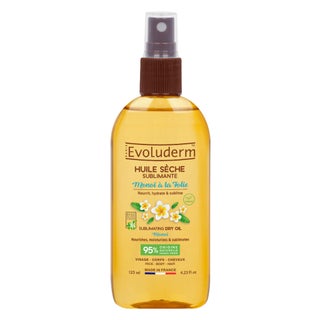
Evoluderm Monoi La Folie Sublimating Dry Oil - 125ml
AED
50.40
AED
84
40% Off
Now 100% Pure Avocado Oil - 473ml
AED
77.40
AED
129
40% Off
Evoluderm Regenerating Jojoba Beauty Oil - 100ml
AED
32.40
AED
54
40% Off
Evoluderm Healthy Glow Carrot Beauty Oil - 100ml
AED
32.40
AED
54
40% Off
Evoluderm Hydrating Shea Butter Beauty Oil - 100ml
AED
29.40
AED
49
30% Off
Hemani Bitter Almond Multi Purpose Oil 500ml
AED
29.40
AED
42
10% Off
Himani Navratna Stress Relieving Head & Body Massage Oil 200ml
AED
15.30
AED
17
10% Off
Himani Navratna Stress Relieving Head & Body Massage Oil 100ml
AED
8.55
AED
9.50
27% Off
Energy Silkeratine Argan Healing Oil 100ml
AED
91.40
AED
126
25% Off
Nuxe Huile Prodigieuse Multi-Purpose Dry Oil 50ml
AED
99
AED
132
(current)
1
(current)
2















 WhatsApp us
 Contact us
 Subscribe & Save