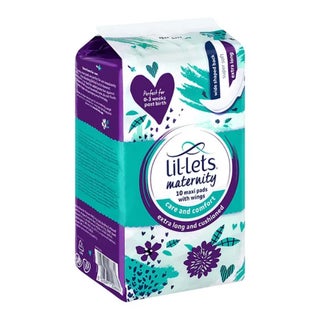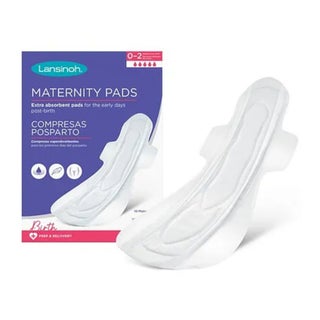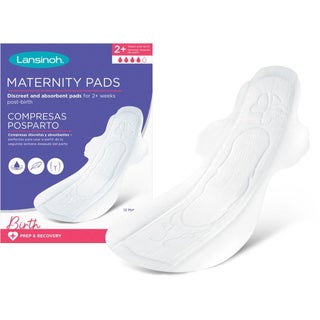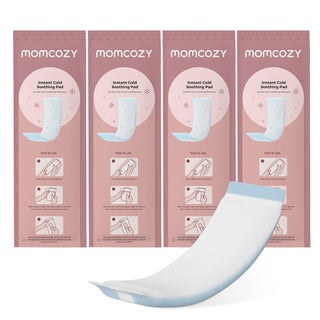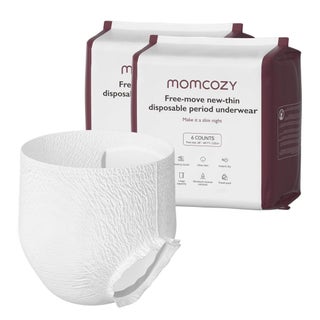





Understand how postpartum pad and pant needs shift in the weeks after delivery, since bleeding (medically known as lochia) is heaviest in the first few days and gradually lightens over weeks. This category follows that timeline, from hospital-bag planning to the lighter pads many people switch to as flow decreases. You'll find guidance on maternity pad brands such as Lansinoh, Lil-Lets, and Momcozy disposable postpartum underwear, plus cold soothing pads for short-term comfort after birth. It also clearly explains how often pads are typically changed and which bleeding symptoms you should report to your maternity team rather than manage with a heavier pad.
Maternity pads are one of the most searched items when packing a hospital bag since bleeding in the first days after birth is usually heavier and lasts longer than a regular period. How many you'll need depends on how long your hospital stay is expected to last. However, most maternity units also provide some pads during your stay, so packing your entire supply usually isn't necessary.
A reasonable approach is to pack enough for the first 24 to 48 hours, then buy more for home once you have a clearer sense of your flow and how often you're changing. It helps to include a couple of different absorbency levels in your bag since flow can be unpredictable in the first day or two, and having a lighter option ready for when things ease off avoids an unnecessary top-up trip. Pack size and length vary by brand, so check the label rather than assuming one box will see you through the entire stay.
It's also sensible to pack a few disposable postpartum pants alongside your pads, particularly for the overnight hours right after delivery when movement is limited and a fuller-coverage option feels more reassuring.
In the first one to two weeks after birth, bleeding is typically at its heaviest, which is why pads such as the Lansinoh range labeled for 0–2 weeks are longer and more absorbent than a standard period pad. Lil-Lets maxi pads are another option commonly used during this early stage, chosen for their length and coverage.
Frequent changing matters during this period both for comfort and hygiene, and a softer, breathable top layer can make a real difference if you're sitting or lying down for long stretches while your body recovers. If you've had stitches, a graze, or a cesarean incision, a pad's shape and how it sits against the skin becomes just as relevant as its absorbency rating, so it's fine to try a couple of brands until you find one that feels right.
This early bleeding, called lochia, is a normal part of recovery. The American College of Obstetricians and Gynecologists describes it as starting bright red before gradually becoming lighter and more pink within the first few days after delivery.
As lochia gradually lightens, usually from around the second or third week onward, many people move to a lighter pad such as the Lansinoh 2+ weeks option. Postnatal, post-pregnancy, and post-labor bleeding all describe this same later stage of recovery, just with different search terms attached to essentially the same experience.
There isn't a fixed date when everyone switches formats since bleeding duration and intensity vary between individuals and even between pregnancies. A useful sign that it's time to change is when a heavier pad starts to feel like overkill because flow has noticeably reduced, at which point a lighter, thinner, and more comfortable option usually makes more sense for day-to-day wear.
Each format in this category plays a distinct role, and it helps to understand the difference before choosing one over another.
No single interval applies to every stage of recovery since heavier flow in the first days needs more frequent changes than the lighter bleeding several weeks later. As a rough guide, many people change pads every few hours in the first days and gradually stretch that interval as flow decreases, but comfort and hygiene should always take priority over sticking to a fixed number.
Your maternity team's specific instructions, especially after a cesarean birth or an episiotomy, should take priority over general guidance here, since your recovery may call for a different approach to changing frequency and hygiene.
Certain changes in postpartum bleeding need prompt attention. Contact your maternity team if you notice any of the following:
Knowing your current recovery stage, absorbency needs, and preferred format makes it clear to compare pads and pants by pack count, current price, and delivery timing on myAster. Many people order hospital-bag essentials together rather than adding items like breast and nipple care products or nursing bras and covers separately, so everything arrives in one delivery. If you're still a few weeks from your due date, checking current stock and pack sizes now means your hospital bag is ready well before you need it. Because needs change quickly across the first several weeks, some families find it easier to order a mix of early-stage and later-stage pads in one go rather than reordering each time the flow changes. That way, the right format is already at home when you need it.
Regular pads are usually thinner and less absorbent than maternity pads, which are made for heavier postpartum bleeding. Maternity-specific pads tend to offer better length and absorbency in the early days.
Yes, bleeding (lochia) occurs after both vaginal and cesarean births. You typically still need maternity pads, though your recovery team may have specific guidance for your situation.
Disposable pants can work well for overnight use, hospital stays, or the first heavier days, offering fuller coverage than a pad alone. Many people switch to pads as flow reduces.
Most people use maternity pads for several weeks as lochia gradually lightens, though duration varies. Your maternity team can advise on what's typical for your recovery.
These provide short-term comfort in the perineal area after birth and are often chilled before use. Follow the product's specific directions on duration and application.
Sudden heavy bleeding, large clots, fever, foul-smelling discharge, severe pain, or feeling faint should be reported to your maternity team promptly rather than managed at home.
Related Searches: Mom and Maternity Care | Feminine Care | Tampons | Panty Liners | Nursing Bras and Covers | Pillows & Supports







 WhatsApp us
 Contact us