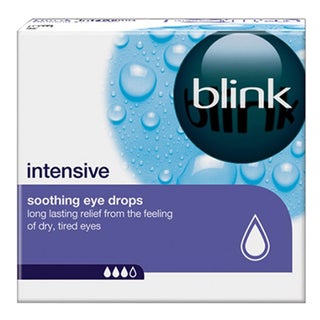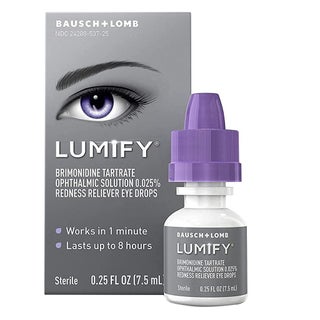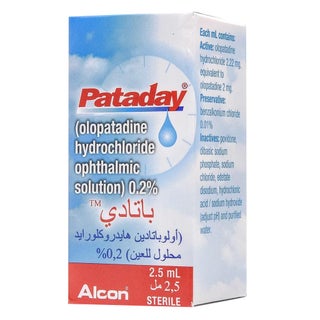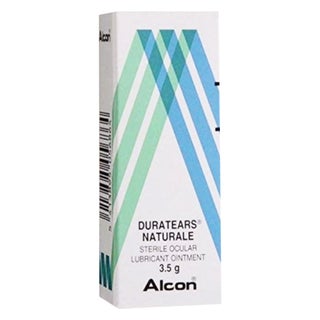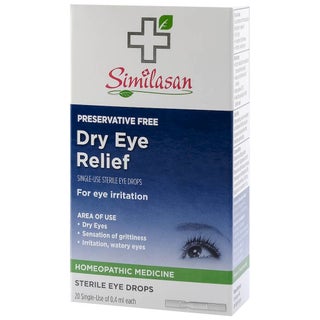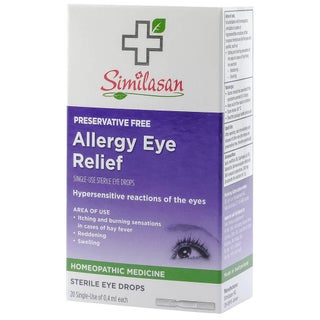




Allergy eye drops are over-the-counter products that relieve itching, redness, watering, and mild swelling caused by allergens such as dust, pollen, mould, and air conditioning residue. Here, you’ll find the different types of allergy eye drops available at myAster, including antihistamine drops, redness relievers, soothing and homeopathic formulas, and lubricating drops. Common options include Pataday, Patanol, Lumify, Similasan and Duratears. Below, you will learn how to identify eye allergy symptoms, choose the right format for your needs, use eye drops safely, and know when symptoms should be assessed by a doctor rather than managed with an over-the-counter product. You can browse and compare all formats directly on myAster's eye care shelf.
myAster offers the following types of allergy eye drops:
Eye allergy symptoms are generally consistent, regardless of the trigger. Common symptoms include:
Some symptoms indicate infection rather than allergy. A doctor should assess thick or coloured discharge, pain, or sensitivity to light rather than managing it with an over-the-counter product. You can book an ophthalmology consultation if these symptoms apply to you.
The right allergy eye drop depends on the type and duration of your symptoms. Consider the following:
If you are unsure which format suits your symptoms, our pharmacist support team can help you choose.
Using eye drops correctly helps them work as intended and reduces the risk of irritation. Wash your hands before application, and avoid letting the dropper tip touch your eye, eyelid, or lashes. Do not share eye drops with another person. If you wear contact lenses, apply allergy eye drops before inserting your lenses or after removing them, since certain ingredients can affect soft lens material. Always check your product label, as this varies by formulation. Use redness-relieving eye drops sparingly; the American Academy of Ophthalmology advises against extended use, since overuse can cause rebound redness. If symptoms worsen or do not improve within a few days, stop use and consult a doctor.
Most eye allergy symptoms can be managed with an appropriate over-the-counter product. Still, certain signs call for professional assessment rather than continued self-treatment. Consult a doctor if symptoms last more than three to five days despite treatment, if your vision changes, or if you have significant pain or light sensitivity. Discharge that is thick or colored rather than clear and watery may indicate infection rather than allergy and should also be checked by a doctor. Eye allergies are common in the UAE. According to allergy specialists cited by Gulf News, around one in three UAE residents experience some form of allergy during the summer months when dust and humidity levels are highest. If your symptoms match any of the points above, you can book an ophthalmology consultation for a proper assessment.
myAster's eye care range includes antihistamine drops, redness relievers, soothing formulas and lubricating drops for allergy-related eye symptoms. Each product page lists the active ingredient and contact lens guidance for that product. You can buy eye drops online in the UAE with delivery across the Emirates. For related information on allergy triggers, see our guide to seasonal allergies in the UAE.
Eye allergies in the UAE are commonly caused by dust and sandstorms, pollen from ornamental plants, mould in air conditioning units, and extended time in dry, recycled indoor air.
Many antihistamine eye drops are designed for regular use during allergy season but always follow the specific product's label. Check with a pharmacist if unsure.
Apply most allergy eye drops before inserting or after removing contact lenses, since ingredients can affect soft lenses. Check your product's label first.
Allergy eye drops target the histamine response behind itching and redness, while lubricating drops simply add moisture to relieve dryness. Many people use both together.
See a doctor if symptoms last beyond three to five days, involve vision changes, pain or light sensitivity, or thick discharge, which may indicate infection.
Related Searches: Eye Care Accessories | Lens Care | Eye Patch & Protectors | Eye Wash & Cleaning | Allergy Relief | Alcon | Similasan







 WhatsApp us
 Contact us