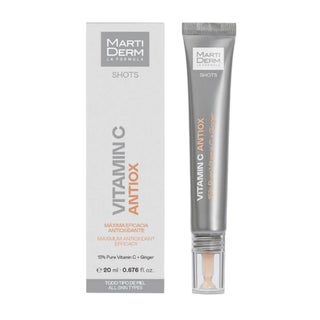


Vitamin C serum is a lightweight skincare formula that delivers a concentrated dose of ascorbic acid, or a stable Vitamin C derivative, directly onto the skin. It is one of the most researched antioxidant ingredients in skincare, commonly used to support a brighter, more even-looking complexion while helping defend skin against daily environmental stressors such as UV exposure and pollution. At myAster, the Vitamin C skincare range covers Vitamin C face serums, brightening serums, dark spot serums, antioxidant serums and gentler formulations suited to sensitive skin. Browse Vitamin C serums by concentration, key ingredients, and skin type to find the option that best suits your skincare needs.
Some Vitamin C serums are formulated to brighten an overall dull complexion, others target stubborn dark spots, and some are built around hydration or gentleness first. Matching the formula to your actual skin concern makes a bigger difference than chasing the highest percentage on the label.
If your skin looks flat, tired, or lackluster, a general-purpose brightening serum is usually the right starting point. These formulas typically sit between 5% and 15% Vitamin C and are designed for daily use.
According to Oregon State University's Linus Pauling Institute, Vitamin C works both as a small-molecule antioxidant and as a factor required for collagen production, which is part of why it's associated with a fresher, more "awake" looking complexion over consistent use.
For post-acne marks, sun spots, or patches of uneven tone, look for a dark spot serum, often labeled as a pigmentation or dark spot corrector, that pairs Vitamin C with tyrosinase-inhibiting or exfoliating ingredients.
It may take a few weeks of regular use before you notice a visible difference.
Dry or dehydrated skin generally does better with a Vitamin C serum that's formulated alongside hyaluronic acid or glycerin, rather than a pure, high-strength acid solution that can feel tight or dry on its own. These combination serums support the brightening benefit of Vitamin C while cushioning the skin with a humectant that draws in moisture.
Pure L-ascorbic acid can sting or irritate reactive skin, particularly at higher concentrations. For sensitive skin, gentler Vitamin C derivatives such as magnesium ascorbyl phosphate, sodium ascorbyl phosphate, or ethyl ascorbic acid are usually a better fit, since they're generally better tolerated while still supporting the same antioxidant function.
If you're new to Vitamin C or know your skin reacts easily, starting with one of these lower-strength, derivative-based serums and patch testing first is the safer route.
Oily and blemish-prone skin generally does best with lightweight, water-based or gel-textured Vitamin C serums that are labeled non-comedogenic, meaning they're formulated not to clog pores. Heavier, oil-based formulas can feel too rich for this skin type and may sit on the surface rather than absorbing cleanly.
Once you know which skin concern you're solving for, the next decision is concentration and formulation. Here's how the ranges generally break down:
A few things worth checking on the label before you buy:
Here are the key ingredients that work well with Vitamin C:
Expert tip: if your skin is new to actives altogether, introduce one new ingredient at a time and give it one to two weeks before adding the next. This makes it far easier to identify what's actually working, and what might be causing irritation.
myAster's Skin Care range includes Vitamin C serums from a wide mix of pharmacy-trusted and dermo-cosmetic brands, including Isdin, along with other recognised names such as SkinCeuticals-style antioxidant formulations, La Roche-Posay, Vichy, Obagi, and Bioderma, so you can choose based on concentration, skin type, and budget.
Every product listed is sourced directly from the brand and stored in climate-controlled conditions, which is important for an ingredient like Vitamin C that's sensitive to heat, light, and air exposure. You can filter the Skin Care category by skin concern, ingredient, or brand, check pack size and price before adding to cart, and get express delivery across the UAE.
Ans. Vitamin C serum is an antioxidant that helps protect skin from free radical damage and is commonly used to support a brighter, more even-looking complexion and smoother texture over consistent use.
Ans. Look for a dark spot or pigmentation-targeted serum with Vitamin C, since clinical research shows topical Vitamin C can help support a more even skin tone with regular, long-term use.
Ans. Yes, most Vitamin C serums are designed for daily use. If you're new to actives, start every other day for one to two weeks, then increase frequency as your skin adjusts.
Ans. Morning is most recommended, since Vitamin C's antioxidant role helps support skin against daytime UV and environmental exposure.
Ans. Yes. Hyaluronic acid pairs well with Vitamin C, adding hydration and helping offset any dryness. Apply Vitamin C first, then hyaluronic acid, then moisturizer.
Ans. Yes, with the right formula. Gentler derivatives like magnesium or sodium ascorbyl phosphate at lower concentrations are generally better tolerated by sensitive or reactive skin.
Ans. Yes. Vitamin C is an antioxidant, not a sunscreen, so daily SPF is still essential to help protect skin from UV exposure regardless of your serum routine.
Related Searches: Vichy | Obagi | Bioderma | Isdin | Niacinamide | Retinol | Skincare Accessories







 WhatsApp us
 Contact us