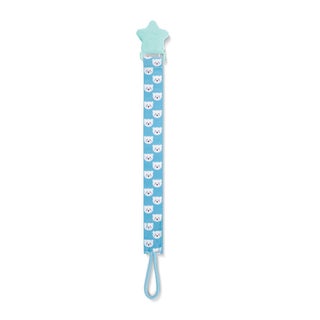


Teethers and soothers are often bought together, but they serve different purposes. A teether offers a textured or cooling surface to chew on when gums feel sore, while a soother, also called a pacifier or dummy, supports non-nutritive sucking. Parents browsing baby teethers UAE ranges can compare silicone, textured, and cooling teethers, plus soother sizes and shapes, based on their baby's age, development, and the manufacturer's guidance. Safety matters most with both: look for one-piece construction, secure parts, clear cleaning directions and sterilization compatibility, and inspect every item regularly. A short brand section covers names commonly stocked, without ranking them. Don't put fever, poor feeding, unusual drowsiness, or other worrying symptoms down to teething; seek medical advice.
When teeth begin pushing through, many babies want pressure on their gums, so they chew fingers, toys, and anything within reach. A teether gives them something safe for that. Sucking, on the other hand, is a self-calming reflex some babies use to settle for sleep or during stressful moments, and a soother provides that comfort.
Gnawing and drooling point to a teether. Seeking comfort by sucking points to a soother. Many families use both at different times. Neither product treats pain or illness. They are comfort tools, and persistent distress deserves a conversation with a pharmacist, health visitor, or pediatrician.
Here is how common teether types differ.
Baby pacifiers come in age bands, usually printed on the pack, because the teat and shield size changes as a baby's mouth grows. Newborn soothers are the smallest size, with larger ones following. Always match the age band, and move up only when the pack's age guide says so.
Features to compare:
These are the pointers to look for while choosing teethers:
Product condition: A worn, sticky, or cracked item isn't a good fit at any age.
These brands are commonly stocked, and the range changes over time, so the live category shows what is currently offered.
No brand is best for every baby. Choose by age band, material, shape, and what your baby accepts, and compare the listing for sterilization notes. Parents building a feeding and care set can also browse baby wet wipes and baby care essentials.
Clean new items before first use, as directed on the pack. After that, wash with warm water and mild soap or sterilize only when the manufacturer says the item is suitable. Dry thoroughly and store somewhere clean. In the UAE's warm weather, make sure items are fully dry before storing to prevent moisture from lingering, and keep a spare soother in a clean case when traveling.
Before each use, give the product a quick check:
Never tie a teether or soother around a baby's neck. Liquid-filled teethers should be discarded if they leak. The NHS also notes that gently wiping the face can reduce teething rashes from drool. Fever, diarrhea, a runny nose or vomiting are not usually signs of teething, so get medical advice if they appear.
myAster lets you filter teethers and soothers by product type, age, material and design, with delivery across the UAE. Brands and stock change, so check the live listing to see what is available today. Read the pack for age and care guidance before you buy, and speak with your pharmacist or pediatrician if you are unsure what suits your baby.
Most babies show their first tooth between 4 and 7 months, and many teethers are labelled for use from around 3 months. Soothers are often sold from birth, in sizes matched to age bands. Always follow the age on the pack, and ask your paediatrician if you are unsure.
Pick a teether small enough for little hands to hold, but too large to fit entirely in the mouth. Soft silicone and natural rubber are common materials, and both are easy to clean. Look for BPA-free labelling, a one-piece design with no small detachable parts, and a firmness that feels gentle on sore gums. Textured surfaces can help reach the back gums, and a baby with a latex allergy needs silicone instead of natural rubber.
Yes, chilling is fine, but never freeze one. A frozen teether can be too hard and may hurt delicate gums. Keep it in the fridge for about 30 minutes, then hand it over. Skip this for liquid-filled teethers unless the pack says it is safe, since they can leak or split.
Wash with warm soapy water after each use, rinse well and let dry. Most silicone teethers and soothers can also be sterilised by boiling, steam or a sterilising solution, but check the pack first. Some teethers, especially liquid-filled or electronic ones, should not be boiled. For young babies, regular sterilising is a sensible habit in the UAE’s warm climate, where bacteria multiply faster.
Replace it as soon as you see cracks, tears, sticky or discoloured patches, or any part loosening. Even without visible damage, soothers are often replaced every one to two months, and teethers whenever they look tired. A damaged piece can break off and become a choking hazard, so do not wait.
Teething commonly brings drooling, chewing, fussiness and sore, slightly swollen gums. A high fever, diarrhoea, vomiting, a rash or a baby who refuses feeds is not usually explained by teething alone, so see a doctor. Seek care promptly if your baby seems unusually drowsy, is hard to settle or shows signs of pain beyond the mouth.
Related Searches: Bottle Feeding | Breastfeeding Products | Bibs & Burp Clothes | Sippers & Cups | Starter & Gift Sets | Baby & Kids Oral Care | Mother & Baby Care














 WhatsApp us
 Contact us