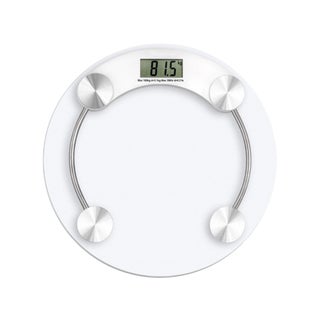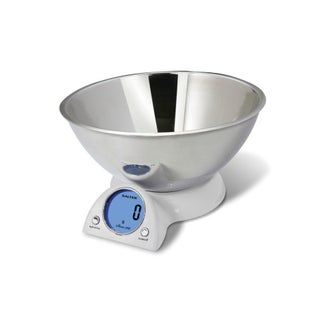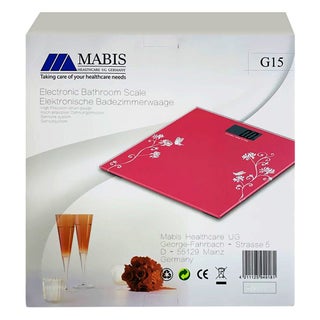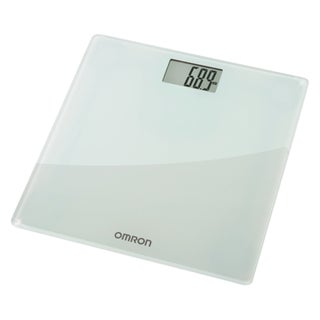





A personal scale is a home-monitoring device that measures body weight, while a body composition model adds estimates of body fat and other metrics using its own measurement method. This page separates those two product types, explains in plain terms how body-fat estimates are produced and where they fall short, and covers the buying checks that make the biggest practical difference: maximum capacity, platform size, display readability, measurement increments, user profiles, and battery type. It also covers placement for consistent readings, why numbers fluctuate day to day, and the manufacturer warnings around pregnancy and implanted medical devices. myAster lists the weighing scales UAE households buy most often, including Omron, Rossmax, Mabis, and First Step, alongside a kitchen scale that serves a different purpose entirely.
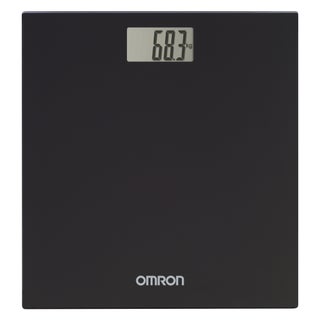
A digital weighing scale measures load. You step on, it reports body weight, and that number is the entire output. It needs no personal data, works instantly, and is the most reliable measurement in the category.
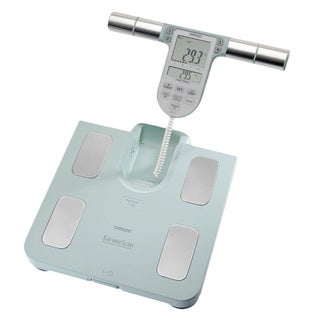
A body composition scale measures weight and then passes a small electrical current through the body to estimate what proportion of that weight is fat and what is fat-free mass. It combines that signal with the height, age, and sex you enter into a user profile.
Choose based on what you actually plan to do:
Body fat monitor scales use bioelectrical impedance analysis. A very small, imperceptible current passes through the body. Because muscle, water, and fat conduct it differently, the measured resistance estimates the split between fat mass and fat-free mass.
Two points follow from that method. First, the result is an estimate produced by a prediction equation, not a direct measurement of fat. Second, because the signal depends on body water, changes in hydration change the result.
Reviewed research on bioelectrical impedance notes that results are influenced by factors including environment, ethnicity, phase of the menstrual cycle, and underlying medical conditions, and that equations validated for one population may not transfer to another. Scales that take readings from both feet and both hands contact the body at more points than foot-only models, which affects the estimate.
Consistency does more for usefulness than accuracy claims on the box. A number that shifts because you drank a liter of water tells you nothing on its own. Still, the same measurement repeated under the same conditions over eight weeks tells you a great deal.
Practical habits that stabilize readings:
Houston Methodist notes that home body composition scales work best for tracking larger trends over time. Treat the direction of travel as the information, not the individual reading.
Most disappointment with a personal weight scale traces back to a specification that was skipped at checkout.
Tiles, sealed concrete, and hardwood all work. Avoid carpet and rugs, which compress under load and distort readings, unless the model specifically supports carpet or includes carpet feet. Keep the scale in one fixed spot rather than moving it between rooms, because relocating it introduces small differences each time.
Step on gently, place both feet centrally and evenly, stand still with weight balanced, and wait for the reading to settle. Avoid leaning against a wall or holding a towel rail. Some models need a brief calibration tap or a short wake-up step after being moved or after a battery change, so check the manual if a reading looks unexpected.
Many body composition scales warn that people with a pacemaker, implantable cardioverter defibrillator, or other implanted electronic medical device should not use the impedance function, and several also advise against use during pregnancy. Some models offer a weight-only mode that bypasses the impedance measurement, and some do not. Do not assume yours does.
Read the warnings for your specific model before purchase, and speak to your doctor if you have an implanted device, are pregnant, or manage a condition that affects fluid balance, such as kidney or heart conditions. For children, follow the age guidance in the manual, since composition equations are generally validated for adults.
The listed range separates into three clear groups.
myAster stocks personal scales across both categories, from simple digital bathroom scales to body composition scales with multiple user profiles, plus kitchen scales for food measurement. MyAster lists maximum capacity, increments, platform dimensions, display type, and battery requirements so you can compare before ordering, with UAE-wide delivery.
Before you buy a weighing scale, confirm the capacity, decide whether you want body-fat estimates, and check the warnings if anyone in the household is pregnant or has an implanted device. Our team can help you compare models if you are unsure which group fits your routine.
A digital scale measures only body weight. A body composition scale estimates body fat, muscle, and water using a small electrical current and your profile data.
Check that the maximum capacity covers every intended user with headroom to spare. Weighing above the stated limit gives unreliable readings and can damage the internal sensors.
Body weight fluctuates naturally with hydration, food, salt intake, exercise, and time of day. Measure at the same time each morning and follow weekly trends instead.
No. Many models advise against the impedance function during pregnancy or with implanted devices such as pacemakers. Check your model's manual and ask your doctor.
myAster stocks digital bathroom scales and body composition monitors from Omron, Rossmax, Mabis, and First Step, with full specifications listed and UAE-wide delivery.
Related Searches: Home Health | Blood Pressure Monitors | Blood Sugar Monitors | Thermometers | Pulse Oximeters | Fitness Accessories | Mabis | First Step














 WhatsApp us
 Contact us