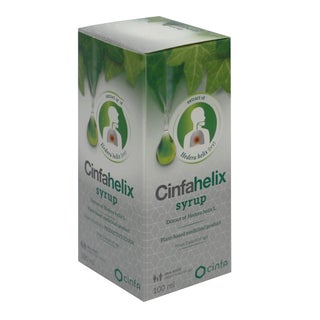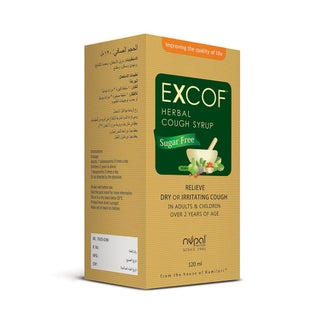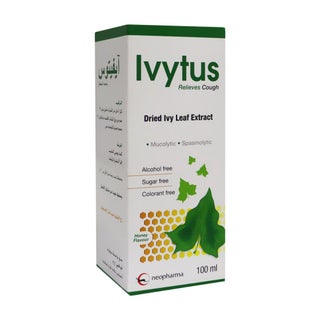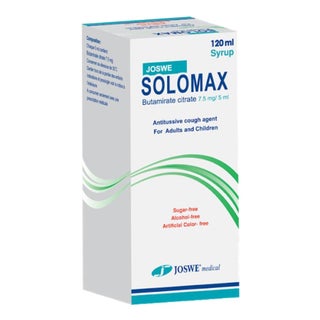



Choose the right cough syrup for kids by considering age suitability, cough type, and active ingredients before adding anything to your basket. A child's cough can be dry and tickly or wet and chesty, and the two are usually managed differently, so understanding which one you're dealing with matters more than picking a familiar bottle off the shelf. This category brings together dry cough formulas, chesty cough syrups and options for children across different age groups, including brands such as Sinecod, Mucosolvan, Amydramine and ForTuss. You'll also find guidance on infant and newborn cough medicine drowsiness on the label. How to safely combine cough syrup with other medicines your child may already be taking. Read on to understand what each label is telling you, and when a child's cough calls for a doctor's opinion rather than a bottle from the shelf.
Minimum ages differ by formulation and active ingredient, and some products are labeled for children as young as six months, while others start at two years or older. The safer approach is to check the exact age range printed on the pack you're holding rather than relying on what a similar product allowed in the past.
Cough medicines for children generally fall into two broad groups: those aimed at a dry, tickly cough, and those aimed at a wet or chesty cough with phlegm. Choosing between the two starts with identifying your child's cough type, since a product made for one won't necessarily suit the other. From there, the label will tell you the minimum age, the recommended interval between doses, and any cautions specific to that formulation.
Weight can also factor into dosing alongside age, which is another reason a pack designed for a younger sibling shouldn't automatically be reused for an older child, or vice versa. Checking the box each time you buy rather than assuming this bottle is the same as the last one takes a moment and avoids confusion later.
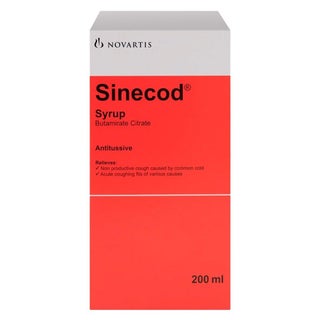
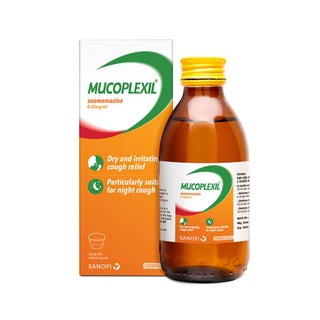
A dry cough tends to sound tickly or irritating without the rattling or chesty sound that comes with phlegm. Cough syrups for this type, such as Sinecod, are formulated to ease irritation rather than loosen mucus, since there isn't any to clear. When comparing dry cough options for children, check three things on the pack: the labeled age range, the bottle size relative to how long you expect to use it, and any specific timing instructions such as whether it should be given before bed. Because formulations and pack sizes change over time, it's best to read the label on the product you're adding to your basket.
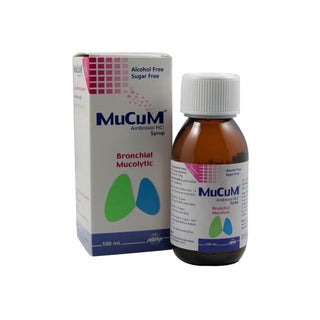
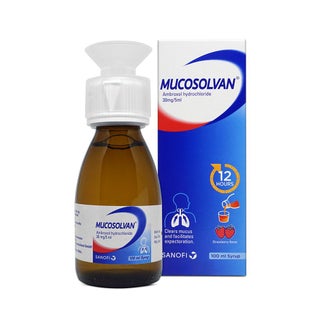
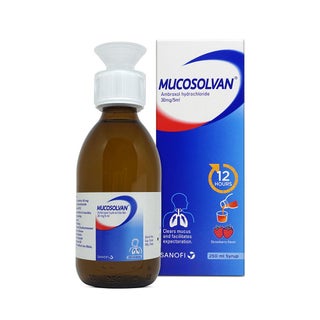
Wet or chesty coughs bring up phlegm, and children with this type often sound congested or rattly, particularly at night. Syrups labeled for this purpose, including Mucosolvan and Amydramine, are positioned as mucolytic or expectorant options, meaning they're intended to help with a productive cough.
Always confirm the cough type before buying, because a dry-cough formula and a chesty-cough formula work toward different goals. If you're not sure which category your child's cough falls into, a pharmacist can help you match the symptom to a suitable product, or you can hold off on cough syrup altogether and speak to a doctor if the cough is new or unusual.
Searches for infant cough syrup, infant cough mixture, and newborn cough syrup are common. Still, most over-the-counter cough medicines carry a minimum age limit, and many aren't intended for infants or newborns at all. Giving a product outside its labeled age range isn't something myAster can recommend, even if it seems to help the cough.
If your baby has a cough, the safer route is an pediatrician's assessment. A doctor can consider your child's age, feeding, breathing, and overall condition before suggesting anything, including whether medicine is needed at all. For infants and newborns specifically, treat cough syrup shopping pages as background reading.
Some cough and cold ingredients have a sedating effect, which is why certain products are labeled as non-drowsy while others may make a child sleepier than usual. This isn't true of every cough syrup, so you can't assume it from the brand name alone.
If daytime alertness matters, such as before school, look for non-drowsy wording on the pack, and check whether the product is also described as sugar-free or alcohol-free if those factors matter to your child. If the label doesn't mention drowsiness, it's still reasonable to ask a pharmacist before giving it during the day.
Parents often reach for a cough syrup alongside a fever medicine or allergy medicine, but several children's products share overlapping active ingredients. Giving two products with the same or related ingredient can add up to more than intended, even if neither bottle looks like a duplicate.
Before combining anything, check the active ingredient list on every product your child is taking, including cough syrup, fever medicine, and allergy relief. Use the measuring cup or oral syringe that comes with the bottle rather than a kitchen spoon; follow the labeled interval between doses and keep a simple written record of what's been given and when. myAster does not provide dosage recommendations here because the right amount depends on the specific product, your child's age, and their weight.
Most childhood coughs settle on their own, but certain signs mean a cough shouldn't be managed with syrup alone. Seek medical attention if your child has difficulty breathing, blue-tinged lips, appears to be choking, seems unusually drowsy, shows signs of dehydration, coughs up blood, or their condition worsens quickly.
A cough that persists well beyond the usual week or two, or one accompanied by a high fever in a very young child, also deserves a professional review rather than a longer trial of cough syrup. When in doubt, a same-day conversation with a doctor is a better use of time than waiting to see if the next dose helps.
The NHS advises going to A&E or calling emergency services immediately if a child is struggling to breathe.
Once you know your child's age, the type of cough, and any medicines they're already taking, choosing a product becomes simple. Filter by age range, dry or wet cough, active ingredient, and bottle size, then compare current pricing and delivery timing across the range on myAster.
If a product's label doesn't fully answer your question about suitability, our pharmacist support is available to help you check before you buy. Alongside cough syrup, you may also want to look at fever options, along with a reliable thermometer to track your child's temperature at home or book a pediatric consultation if the cough needs more than shelf guidance.
A. No. Children's cough syrups are formulated for specific ages and weights, with different ingredient strengths. Always choose a product labeled for your child's age, not an adult formula.
A. Check the pack description: dry cough products target a tickly, non-productive cough, while wet or chesty formulas address coughs with phlegm. The label states which type it's intended for.
A. Many cough medicines aren't suitable for infants or newborns and carry a minimum age limit. Speak with a pediatrician before giving any cough product to a very young baby.
A. Suitability depends on the product's labeled age range and the type of cough. Check the pack for 2-year eligibility, or ask a pharmacist to confirm before buying.
A. Possibly, but check both labels for overlapping active ingredients first. Combining products without checking can lead to unintentional double dosing, so ask a pharmacist if unsure.
A. The syringe or cup that comes with the bottle is calibrated to the product's exact strength. Using a kitchen spoon instead can lead to an inaccurate dose.
A. Breathing difficulty, blue lips, choking, unusual drowsiness, dehydration, coughing up blood, or a rapidly worsening cough all need urgent medical assessment rather than a shelf remedy.
Related Searches: Mother and Baby Care | Baby and Kids Medication | Kids Flu Vaccine | Cough and Fever | Mucum | Mucosolvan














 WhatsApp us
 Contact us