Number 1 Wellbeing & Healthcare Platform
Get 20% off on 1st online pharmacy purchase Use Code: NEW20
UAE
|
عربي
20% off 1st online pharmacy purchase! Code: NEW20
Browse today's
Top Deals
and find your products
Previous
Next
Site Navigation
Shop
Brands
NDL
Humantara
carroten
betadine
La Roche Posay
solaray
eucerin
vitabiotics
bioderma
vichy
lacabine
now
NMN
acm
dymatize
isdin
priorin
medicube
country-life
blueberry-naturals
bepanthen
21st-century
accu-chek
activise
acuvue
annemarie-borlind
webber-naturals
aveeno
freestylelibre
cetaphil
CHalpha
cerave
dralthea
mustela
celimax
vitalproteins
anua
theordinary
neocell
Goongbe
K18
uriage
planet-paleo
egoqv
optimumnutrition
olaplex
cosrx
optibac
OMRON
fino
doppelherz
desert-essence
chewy-vites
Probulin
Biochem
SVR
skinceuticals
Feel
True-honey
vitamax
Sunsilk
solgar
PONDS
Shea-Moisture
Vaseline
Health & Wellness
Wellness Essentials
Weight Loss Package
Routine Health Check
Healthy Heart Package
Original IV
Intolerance Test
Health Support
Skin & Hair
Bone & Joint
Brain & Memory
Heart Health
Diabetic Support
Kidney & UT Support
Liver Support
Prostate Health
Vitamins
Multivitamins
Vitamin A
Vitamin B
Vitamin C
Vitamin D
Vitamin E
Vitamin K
Minerals
Magnesium
Iron
Calcium
Zinc
Potassium
Selenium
Chromium
Wellness & Lifestyle
Immunity & Wellbeing
Anti Aging
Energy & Wellness
Detox & Cleanse
Sleep & Stress Support
Weight Management
PMS & Menopause
Sexual Health
Speciality Supplements
Fish Oil & Omega
Antioxidants
Organic
Vegan
Gluten Free
Herbal & Ayurvedic
Gut Health
Digestive Enzymes
Probiotics
Fiber Supplements
Sports Nutrition
Protein Powders
BCAA & Amino Acids
Pre & Post Workout
Creatine & Performance
Protein Bars & Drinks
Fat Burners
Mass Gainers
Sports Hydration
Healthy Food
Health Drinks
Superfoods
Healthy Snacks
Honey & Sugar Free
Nutrition Trends
Nutrition & Body Balance
Super Detox IV
Intolerance Test
Hydration Boost IV
GLP -1 Package
Discover Nutrition
Collagen
Biotin
Creatine
Glutathione
Antiaging NMN
Amino Acids
Glucosamine
Berberine
Plant Based Proteins
Super Greens
Gummies
Effervescent Tablets
Women's Health
Women’s Wellness+
Weight Loss Package
Executive Checkup
Executive Checkup
Hormone Profile
Skin IV Drip
Women's Health & Wellness
Women's Supplements
Beauty Supplements
Women's Fertility
Pregnancy & Lactation
Prenatal Support
Pre Menstrual Support
Menopause Support
UT & Vaginal Health
Thyroid Care
Hair Supplements
Men's Health
Men’s Wellness+
Weight Loss Package
Vitals Check Plus
Executive Checkup
Executive Checkup
PRP Package
Men’s Health & Wellness
Men's Sexual Health
Prostate Care
Men's Supplements
Men's Hair Growth
Home Health
Care to Your Home
Doctor at Home (GP)
Flu Vaccine for Adult
Routine Health Check
Vitals Check at Home
GLP -1 Package
Health Monitors
Blood Sugar Monitors
Blood Pressure Monitors
Test Strips
Thermometers
Pulse Oximeters
Scales
Fitness Accessories
Stethoscopes
Orthopedic Support
Abdominal Binders
Arm Support
Elbow Support
Wrist & Palm Support
Shoulder & Back Support
Rib Support
Neck Support & Pillows
Ankle Support
Knee Support
Splints & Protectors
Compression Stockings
Insoles & Cushions
Specialty Support
Mobility Support
Walking Stick & Cane
Crutches
Physiotherapy
Wheelchairs
Walker
Bath & Bed Support
Shower Chair
Bathroom Rails
Bedside Accessories
Commode
Respiratory Care
Spacers
Airway Support Devices
Covid 19 Test Kits
Home & Travel
Humidifiers & Diffusers
Travel Essentials
Room Fragrance
Medical Essentials
Essential Care
Doctor at Home (GP)
Pediatrician at Home
Diabetic Package
Intolerance Test
Immune Booster IV
Cold & Flu
Steamers & Nebulizers
Nasal Preparations
Sore Throat Remedies
Allergy Relief
Chest Rubs & Oils
Cough & Fever
Dry Cough
Fever Remedies
Wet Cough
Pharmacy Remedies
Rash & Eczema
Mouth & Gum Care
Vaginal & UTI Relief
Corns & Warts
Lice & Scabies
Acne Care
Ear Wax & Hygiene
Antifungals
Scars & Bruises
Pain Relief
Menstrual Cramps
Hot & Cold Therapy
Earache
Body & Joint Pain
Toothache
Headache & Migraines
First Aid
Tapes & Bandages
First Aid Box
Burn Relief
Sting & Bite Relief
Wound Care
Blister Care
Digestive Remedies
Diarrhea
Colic & Flatulence
Hemorrhoid Relief
Antacids & Heartburn
Constipation
Specialist Remedies
Homeopathy
Family Planning
Nicotine Replacement
Medical Supplies
Masks & Gloves
Medication Aids
Pill Organizers
Sterile Disposables
Diabetic Essentials
Beauty & Personal Care
Personal Care IVs
Skin Glow Max IV
Women's Wellness
Skin, Hair and Nails IV
Energy & Recovery
Weight Loss IV
Skin Care
Face Wash & Cleansers
Skin Toner & Mist
Face Serums & Oils
Face Masks
Scrubs & Exfoliants
Face Creams & Lotions
Eyes & Lashes
Lip Care
Skincare Accessories
Make Up
Eyes
Lips
Face
Nails
Make Up Tools
Make Up Remover
Sun Care
Face Sunscreen
Body Sunscreen
After Sun
Tanning Oil
Bath & Body Care
Body Wash & Soaps
Bath Salts & Scrubs
Body Lotions & Creams
Body Oils
Essential Oils & Balms
Body Mist & Spray
Bath Accessories
Hair Care
Shampoo
Dry Shampoo
Conditioners
Hair Treatments
Hair Oils
Hair Colors
Hair Styling
Hair Accessories
Oral Care
Toothpaste
Toothbrushes
Floss & Brush Tools
Mouthwash
Breath Freshners
Denture Care
Fragrance & Deodorants
Men's Perfumes
Women's Perfumes
Unisex Perfumes
Deodorants & Roll Ons
Gift Sets
Feminine Care
Sanitary Pads
Tampons
Panty Liners
Hair Removal Creams
Wax Strips
Epilators & Razors
Intimate Wash
Men's Grooming
Shaving Gels & Foam
Shavers & Trimmers
Razors & Refills
Beard & Moustache Care
Sexual Wellness
Condoms
Lubricants & Gels
Sexual Enhancers
Hand & Foot Care
Hand Creams
Foot Creams
Foot Masks & Scrubs
Nail & Cuticle Care
Mani Pedi Tools
Hygiene Essentials
Cotton Buds & Wipes
Hand Wash & Sanitizers
Adult Diapering
Korean Beauty
K-Collection
K-Serums & Oils
K-Toners & Mist
K- Facewash & Cleansers
K-Creams & Lotions
K- Face Mask
K- Makeup
K-Suncare
K- Eyecare
Beauty Trends
Aesthetic Care Picks
Skin Glow IV
Women's Wellness
NAD+ Anti-Aging IV
Acne Screen
Dental Screening
Trending in Beauty
Anti Aging & Firming
Retinal & Retinol
Vitamin C Serums
Salicylic Acid
Hyaluronic Acid Serums
Dark Spot Correction
Collagen & Peptides
Niacinamide
AHA PHA BHA
Mother & Baby
Women & Children Care
Kids Health Checkup
Kids Flu Vaccine
Hormone Profile
Family Flu Vaccine
Skin, Hair and Nails IV
Baby Diapering
Baby Diapers
Diaper Disposal
Diaper Rash Creams
Baby Wet Wipes
Baby Bath & Skin Care
Baby & Kids Oral Care
Baby Bath Accessories
Baby Shampoos
Baby Fragrance & Mists
Baby Lotions & Creams
Baby & Kids Sun Care
Travel & Gift Sets
Baby Soaps & Cleansers
Baby Grooming
Baby Oils & Powders
Baby Food & Supplements
Baby Milk Formula
Baby Supplements
Baby Food
Kids Food & Supplements
Kids Milk Formula
Kids Supplements
Kids Food
Moms & Maternity
Pillows & Supports
Breast & Nipple Care
Pre Natal Supplements
Nursing Bras & Covers
Pregnancy Test Kits
Maternity Pads & Pants
Post Natal Supplements
Pregnancy Skin Care
Baby & Kids Medication
Cough & Cold
Nasal Aspirators
Digestive Aid
Fever
Anti Colic Remedies
Baby Feeding
Bibs & Burp Clothes
Starter & Gift Sets
Teethers & Soothers
Bottle Feeding
Breast Feeding
Sippers & Cups
Weaning & Mealtime
Baby Nursery & Safety
Baby Monitoring
Baby Gear
Detergents & Cleansers
Baby Nursery
Pet Care
Pet First Aid
Pet Wound Care
Pet Allergy Relief
Ear & Eye Care
Paw & Coat Care
Pet Supplements
Pet Digestive Support
Skin & Coat Health
Worming Control
UT & Detox Support
Pet Stress Relief
Pet Immune Support
Hip & Joint Support
Pet Grooming
Shampoos & Washes
Doctor Consultation
All Facilities
Aster Clinic, Bur Dubai (AJMC)
Aster Diagnostic Centre (Medinova), Burdubai
Aster Hospital Mankhool
Aster Day Surgery Center
Aster Clinic, Karama (UMC)
Aster Clinic, Karama (DMMC, Nr. Karama Park)
Aster Medical Centre Oud Metha
Aster Clinic, Satwa (Saleem Polyclinic)
Aster Imaging Centre, Al Muteena
Aster Clinic, Al Muteena
Aster Clinic, Sheikh Zayed Road
Aster Clinic, Al Shaab
Aster Clinic, Abu Hail
Aster Royal Clinic, Downtown
Aster Clinic, Business Bay
Aster Clinic, Al Nahda, Dubai
Aster Clinic, Al Qusais 2 (Near DAFZA Metro Stn)
Aster Clinic, Al Qusais (Damascus Street)
Aster Clinic, Al Nahda, Sharjah 1
Aster Speciality Clinic for Orthopaedics and Physiotherapy, Al Qusais (Al Ahbabi Building)
Aster Clinic, Al Nahda, Sharjah
Aster Hospital Al Qusais
Aster Clinic, Muhaisnah
Aster Clinic, Marhaba Mall, Ras Al Khor
Aster Clinic, Sharjah (King Faisal Rd.)
Aster Clinic, Al Quoz - Al Khail Mall
Aster Clinic, Al Quoz
Aster Clinic, Abu Shagara
Aster Orthopedic & Physiotherapy Speciality Clinic, Al Warqa
Aster Clinic, Al Warqa
Aster Hospital Muhaisnah
Aster Clinic, International city (ARPC)
Aster Clinic, International City (V19 Russia Cluster)
Aster Specialty Clinic, International city (Pavilion Mall, France Cluster)
Aster Clinic, Halwan
Aster Clinic, Al Butina, Sharjah
Aster Clinic, Muwaileh, Sharjah
ADC Sharjah DHPO
Aster Clinic, Liwan
Aster Clinic, Al Barsha
Aster Clinic, Dubai Silicon Oasis
Aster Clinic Al Sweihat
Aster Clinic, Aswaaq Mall
Aster Clinic, Dubailand
Aster Speciality Clinic, Ajman
Aster Clinic, Tecom (Barsha Heights)
Aster Clinic, Nuaimiah, Ajman
Aster Clinic, Arjan
Aster Royal Clinic Springs Souk
Aster Clinic, JLT
Aster Clinic, Jumeirah Village Circle ( JVC )
Aster Royal Clinic, Arabian Ranches 2
Aster Clinic, Sports City
Express Clinic JBR, Aster Pharmacy 180
Aster Clinic, Discovery Gardens(Gardens Speciality Clinic)
Aster Clinic, Discovery Gardens (Zen Cluster)
Aster Clinic, Remraam
Aster Clinic Dubai Investment Park
Aster Clinic, Jebel Ali
Aster Hospital Cedars
Aster Clinic Umm Al Quwain
Aster Clinic, Ras Al Khaimah
Specialities
General Medicine
Pediatrics
Obs & Gynae
ENT
Urology
Orthopedics
Ophthalmology
Internal medicine
Gastroenterology
Dermatology
Cardiology
Dentistry
Dietetics
Endocrinology
Endodontics
Family medicine
General surgery
Nephrology
Neurology
Neurosurgery
Psychiatry
Pulmonology
Rheumatology
Oncology
Plastic Surgery
Clinical Psychology
Vascular Surgery
Pediatric Neurology
Geriatrics
Health Hub
All Categories
Women and Children
Men's Health
Aesthetics & Dental
Sexual Health
Health & Wellness
IV Drips
Vaccines & Diagnostics
Physiotherapy at home
Doctor At Home Services
At Home Services
IV Drips
Vaccines & Diagnostics
Physiotherapy at home
Doctor At Home Services
Weight Loss
Weight Loss program - 3 months
Weight Loss Program - 6 months
Weight Loss IV
GLP 1 weight loss programs
Best Seller IV Drips
Energy Boost IV
Hydration IV
Original IV
Premium IV Drips
NAD+ Anti-Aging IV
Ultimate IV
Pre/Post Party IV
Skin Hair and Nails IV
Health Checkups @ Home
Routine Health Checkup
Advanced Health Checkup
Platinum Health Checkup
Men's Health Checkup
Diagnostics & Screening
Sexual Health Checkup
Cancer Screening Female
Food Intolerance /Allergy Test
Vitamin D Test
Vaccine @ Home
Chickenpox Vaccine (Varicella)
Typhoid vaccine
Meningococcal Vaccine
Pneumonia Vaccine (Pneumococcal)
Cervical Cancer Protection Vaccine (HPV)
Mother and Baby
Child Health Checkup
Women's Hormone Profile
Women's health > 40 years
Women's health < 40 years
Other Lab Tests
Full body checkup
Diabetes
Thyroid
Vitamin B12
Hair fall Screening
Heart health
Liver
Hepatitis
Opticals
Eye Care & Opticals
Sunglasses
Men's Sunglasses
Unisex Sunglasses
Women's Sunglasses
Kids Sunglasses
Reading Glasses
Kids Reading Glasses
Unisex Reading Glasses
Contact Lenses
Clear Lenses
Color Lenses
Eye Care Accessories
Lens Care
Drops & Lubricants
Eye Patch & Protectors
Eye Wash & Cleaning
Allergy Eye Drops
Optical Frames
Men's Optical Frames
Women's Optical Frames
Unisex Optical Frames
Eye Health
Quick Links
Offers & Promotions
Health Blog
Shop
Doctor Consultation
Health Hub
Opticals
Green Friday Sale
GLP-1 Support
Blogs
Online Pharmacy
/
Health & Wellness
/
Speciality Supplements
/
Fish Oil & Omega
Filters
Clear
Delivery
Today
Price
On Sale
AED
20 -
AED
417
Categories
+
Health & Wellness
77
+
Speciality Supplements
77
Fish Oil & Omega
77
Gluten Free
1
+
Health Support
65
Heart Health
62
Brain & Memory
32
+
Trending Now
8
+
Women's Health
8
Menopause Support
8
Pre Menstrual Support
2
+
Eye Care & Opticals
2
Eye Health
2
Brands
Now
16
Blueberry Naturals
6
Wiley's Finest
6
21st Century
5
Nordic Naturals
5
Nature's Bounty
4
+22 More
Gender
Unisex
62
Women
3
Men
2
Fish Oil & Omega
Found 77 results
Name (A-Z)
Relevance
Newest
Prices (Low First)
Prices (High First)
On Sale
Brand
Price
Subscribe & Save
New
Clear All
10% Off
Subscribe & Save
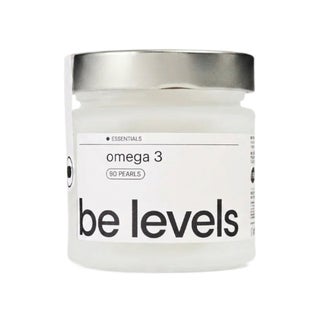
Be Levels Essentials Omega-3 Fish Oil Softgels - 90 Softgels
Get it
Free by Today
63% Off
Subscribe & Save
4000+
sold
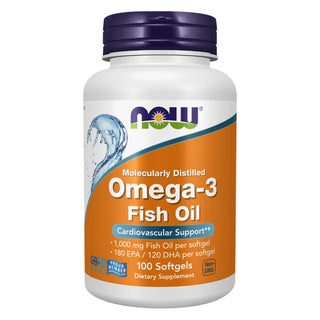
Now Omega 3 1000mg Fish Oil Softgels - 100 Softgels
in 60 mins
68% Off
Subscribe & Save
1000+
sold
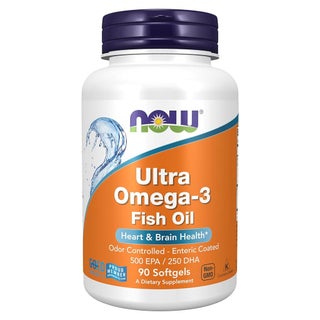
Now Ultra Omega 3 1000mg Fish Oil Softgels - 90 Softgels
Get it
by Today
60% Off
Subscribe & Save
Lowest Price
in 30 Days
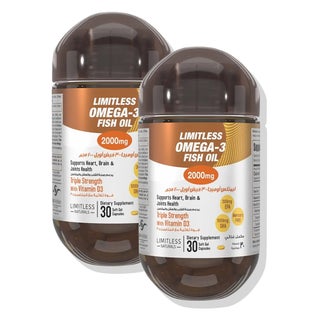
Limitless Naturals Omega 3 Fish Oil 2000mg Softgels - 2 x 30 Softgels
Get it
by Today
60% Off
Subscribe & Save
Lowest Price
Ever
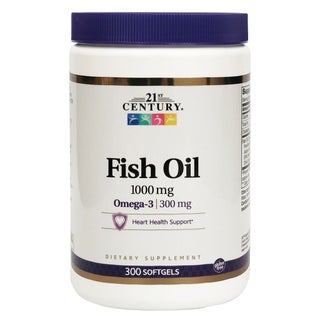
21st Century Omega 3 1000mg Fish Oil Softgels - 300 Softgels
in 60 mins
55% Off
Subscribe & Save
Lowest Price
in 30 Days
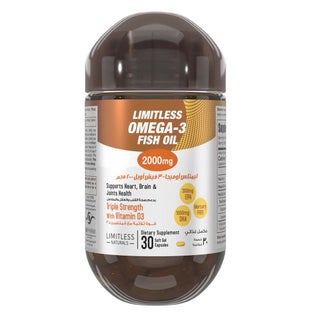
Limitless Naturals Omega 3 Fish Oil 2000mg Softgels - 30 Softgels
in 60 mins
60% Off
Subscribe & Save
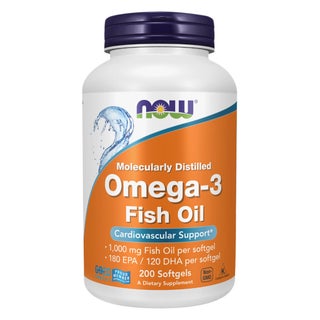
Now Omega 3 1000mg Fish Oil Softgels - 200 Softgels
in 60 mins
65% Off
Subscribe & Save
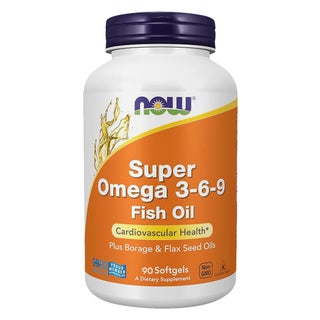
Now Super Omega 3-6-9 Fish Oil Softgels - 90 Softgels
in 60 mins
67% Off
Subscribe & Save
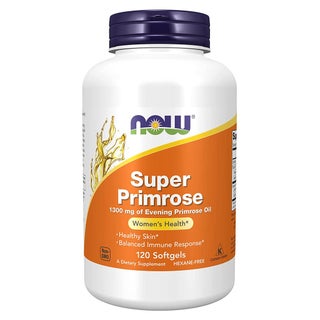
Now Super Primrose 1300mg Softgels - 120 Softgels
Get it
by Today
52% Off
Subscribe & Save
600+
sold
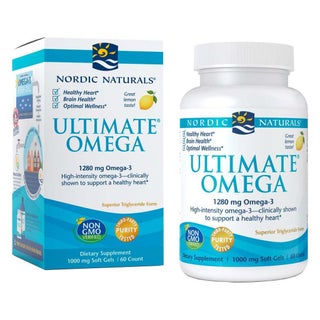
Nordic Naturals Ultimate Omega 3 Softgels, Pack of 60's
Free in 60 mins
65% Off
Subscribe & Save
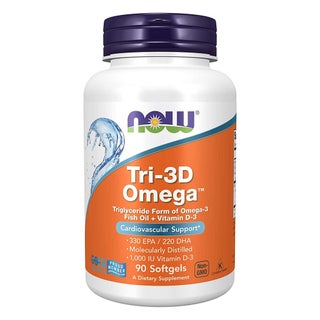
Now Tri-3D Omega 3 1000mg + 1000IU Vitamin D3 Softgels - 90 Softgels
in 60 mins
60% Off
Subscribe & Save
Lowest Price
in 30 Days
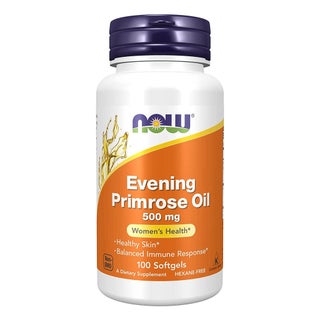
Now Evening Primrose Oil 500mg Softgels - 100 Softgels
in 60 mins
60% Off
Subscribe & Save
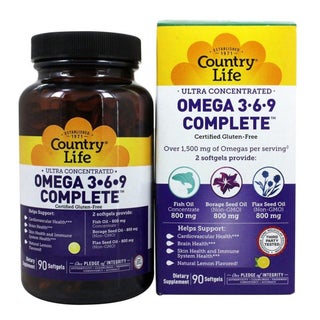
Country Life Complete Omega 3 6 9 Softgels - 90 Softgels
Free in 60 mins
60% Off
Subscribe & Save
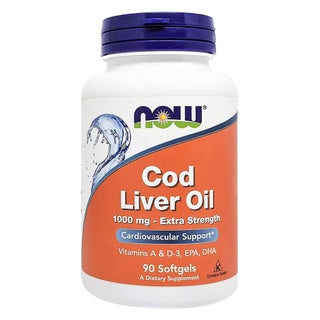
Now Extra Strength 1000mg Cod Liver Oil Softgels - 90 Softgels
Get it
by Today
60% Off
Subscribe & Save
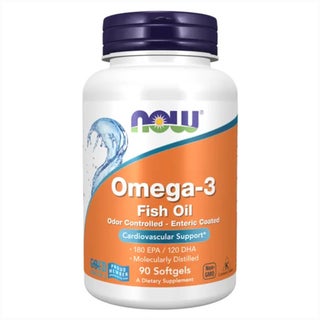
Now Omega 3 1000mg Fish Oil Softgels - 90 Softgels
in 60 mins
60% Off
Subscribe & Save
Lowest Price
in 30 Days
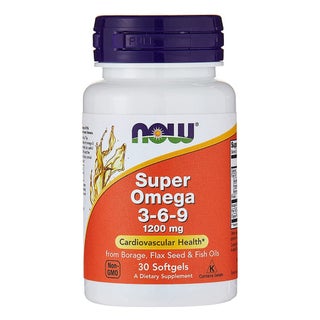
Now Super Omega 3 6 9 Softgels - 30 Softgels
Get it
by Today
61% Off
Subscribe & Save
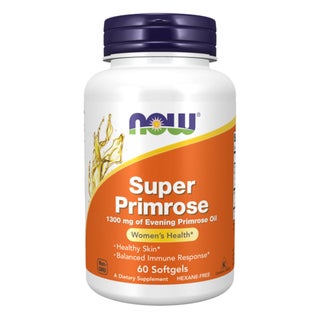
Now Super Primrose 1300mg Softgels - 60 Softgels
in 60 mins
60% Off
Subscribe & Save
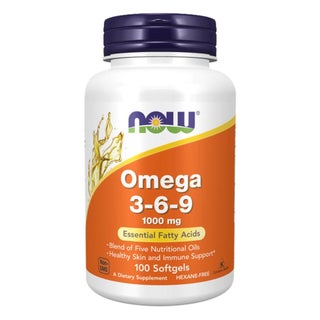
Now 1000mg Omega 3-6-9 Softgels - 100 Softgels
in 60 mins
60% Off
Subscribe & Save
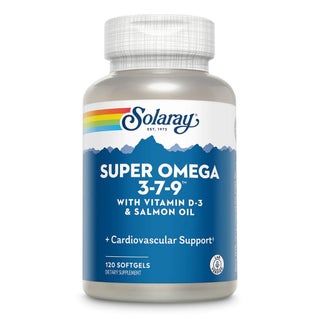
Solaray Super Omega 3-7-9 With Vitamin D3 & Salmon Oil - 120 Softgels
Free in 60 mins
55% Off
Subscribe & Save
Lowest Price
in 30 Days
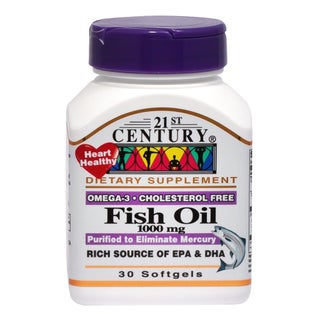
21st Century Omega 3 1000mg Fish Oil Softgels - 30 Softgels
in 60 mins
55% Off
Subscribe & Save
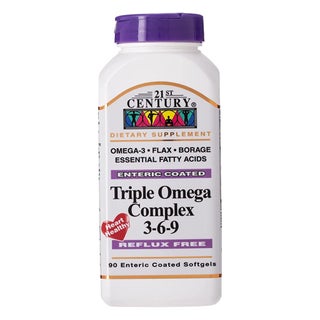
21st Century Triple Omega 3 6 9 Softgels - 90 Softgels
in 60 mins
55% Off
Subscribe & Save
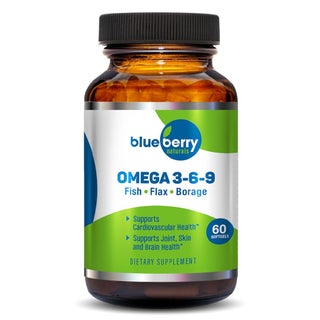
Blueberry Naturals Omega 3-6-9 Softgels, Pack of 60's
in 60 mins
55% Off
Subscribe & Save
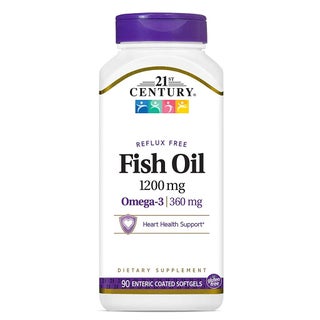
21st Century Omega 3 1200mg Fish Oil Softgels, Pack of 90's
Get it
by Today
55% Off
Subscribe & Save
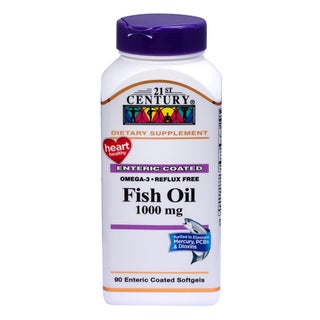
21st Century Omega 3 1000mg Fish Oil Softgels - 90 Softgels
Get it
by Today
50% Off
Subscribe & Save
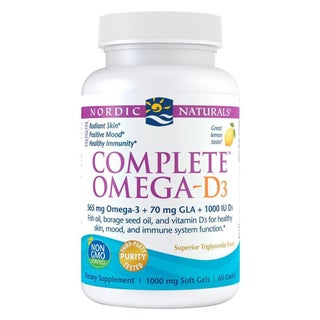
Nordic Naturals Complete Omega-D3 Softgels - 60 Softgels
in 60 mins
45% Off
Subscribe & Save
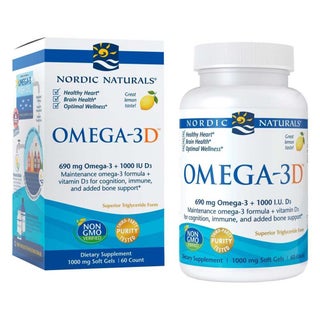
Nordic Naturals Omega 3D Omega 3 + Vitamin D3 Softgels - 60 Softgels
in 60 mins
45% Off
Subscribe & Save
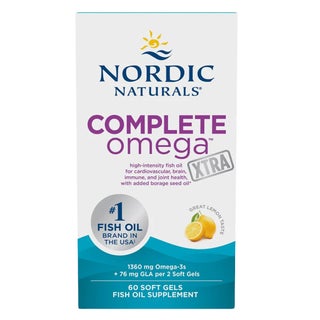
Nordic Naturals Complete Omega Xtra Softgels, Pack of 60's
Free in 60 mins
62% Off
Subscribe & Save
600+
sold
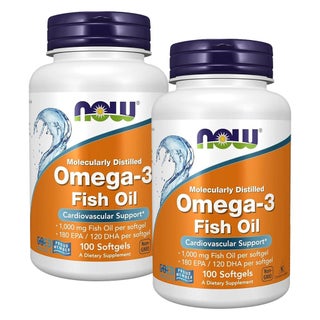
Now Omega-3 1000mg Fish Oil Softgels - 2 x 100 Softgels
Get it
Free by Today
35% Off
Subscribe & Save
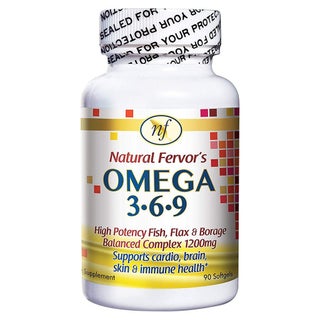
Natural Fervor Omega 3 6 9 Softgels - 90 Softgels
Get it
Free by Today
62% Off
Subscribe & Save
Lowest Price
in 30 Days
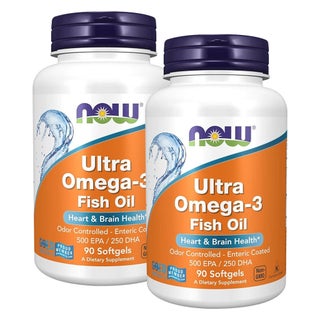
Now Ultra Omega-3 1000mg Fish Oil Softgels - 2 x 90 Softgels
Get it
Free by Today
45% Off
Subscribe & Save
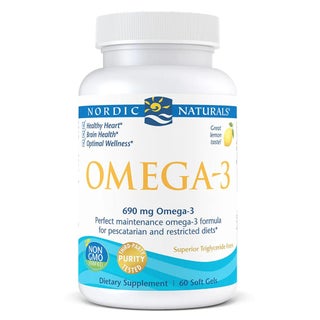
Nordic Naturals Omega 3 690mg Softgels - 60 Softgels
in 60 mins
62% Off
Subscribe & Save
Lowest Price
Ever
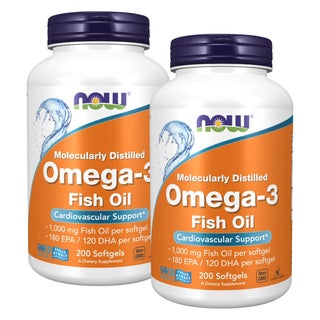
Now Omega-3 1000mg Fish Oil Softgels - 2 x 200 Softgels
Get it
Free by Today
38% Off
Subscribe & Save
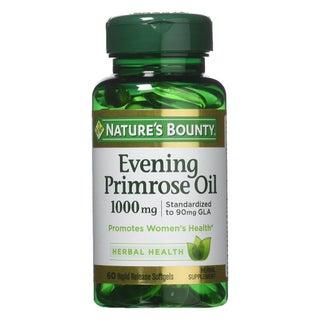
Nature's Bounty Evening Primrose Oil 1000mg Softgels, Pack of 60's
in 60 mins
50% Off
Subscribe & Save
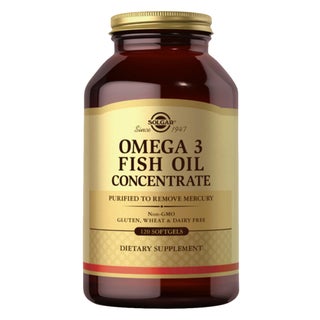
Solgar Omega 3 Fish Oil Concentrate Softgels - 120 Softgels
Get it
by Today
35% Off
Subscribe & Save
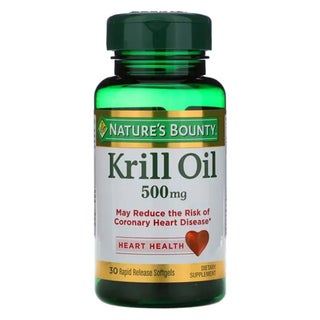
Nature's Bounty Krill Oil 500mg Softgels, Pack of 30's
Get it
by Today
50% Off
Subscribe & Save
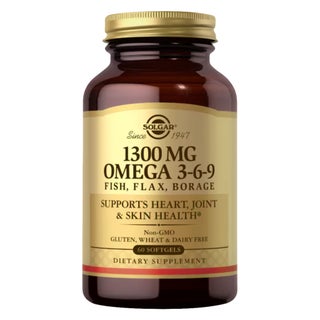
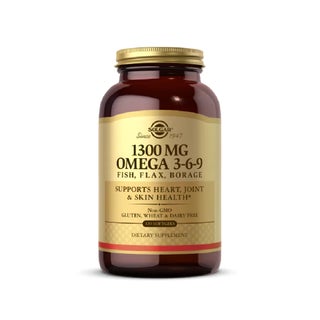
Solgar 1300mg Omega 3-6-9 Fish, Flax, Borage Softgels - 60 Softgels
Get it
Free by Today
50% Off
Subscribe & Save
Solgar 1300mg Omega 3-6-9 Fish, Flax, Borage Softgels - 120 Softgels
Get it
Free by Today
60% Off
Subscribe & Save
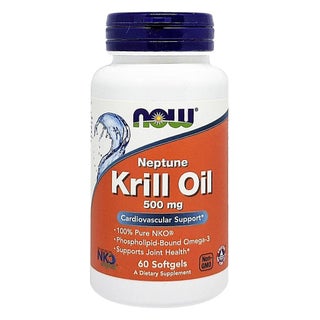
Now Neptune Krill Oil 500mg Softgels - 60 Softgels
Get it
Free by Today
41% Off
Subscribe & Save
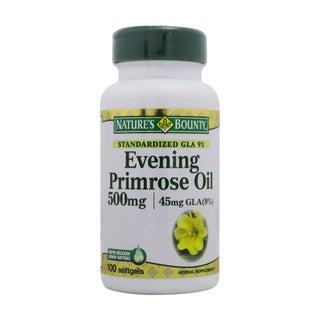
Nature's Bounty Evening Primrose Oil 500mg Softgels, Pack of 100's
Get it
by Today
25% Off
Subscribe & Save
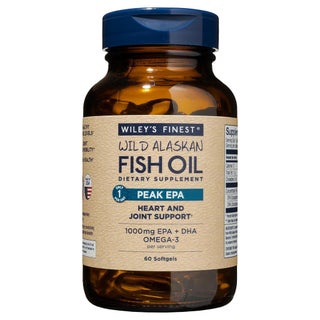
Wiley's Finest Peak EPA 1000mg Omega 3 Softgels, Pack of 60's
Free in 60 mins
30% Off
Subscribe & Save
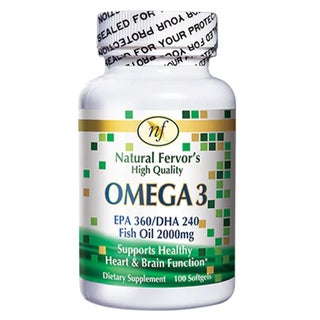
Natural Fervor Omega 3 Omega 3 2000mg Per Serving Fish Oil Supplement Softgels, Pack of 100's
Get it
by Today
30% Off
Subscribe & Save
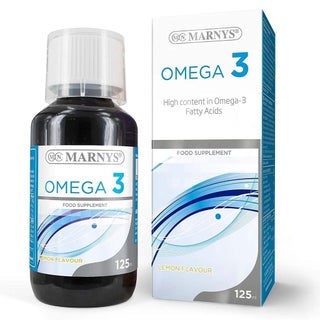
Marnys Omega 3 1200mg Fish Oil Supplement Liquid, Lemon Flavour 125ml
Get it
by Today
25% Off
Subscribe & Save
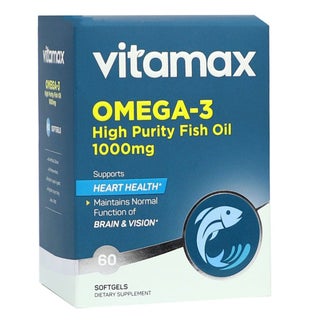
Vitamax Omega 3 1000mg Fish Oil Softgels, Pack of 60's
in 60 mins
30% Off
Subscribe & Save
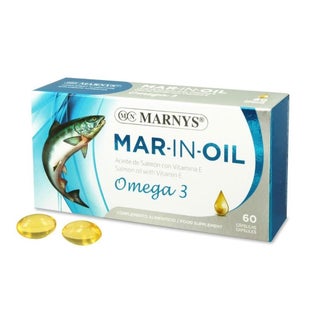
Marnys Mar-In-Oil Omega 3 Salmon Oil With Vitamin E Fish Oil Supplement Capsules, Pack of 60's
Get it
by Today
30% Off
Subscribe & Save
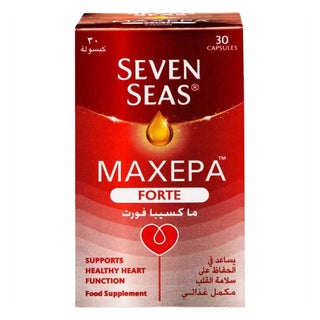
Seven Seas Maxepa Forte Omega 3 Capsules - 30 Capsules
Free in 60 mins
25% Off
Subscribe & Save
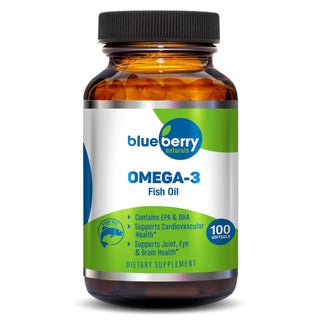
Blueberry Naturals Omega 3 1000mg Fish Oil, 100 Softgels
Free in 60 mins
25% Off
Subscribe & Save
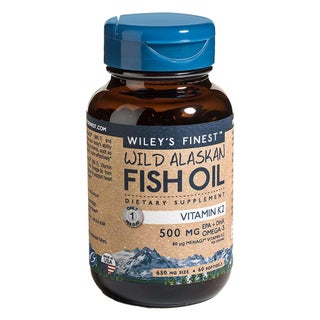
Wiley’s Finest Omega 3 with Vitamin K2 & D3 Softgels, Pack of 60's
Free in 60 mins
25% Off
Subscribe & Save
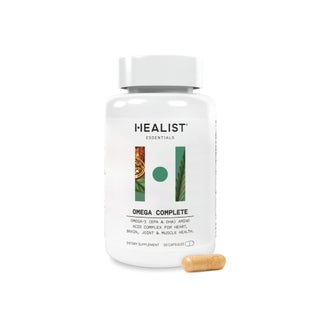
Healist Essentials Omega Complete Capsules, Pack of 30's
Free in 60 mins
25% Off
Subscribe & Save
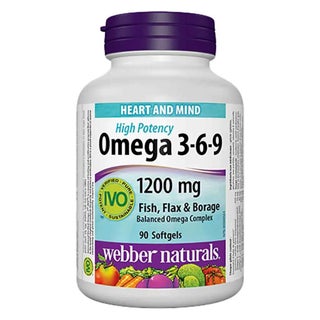
Webber Naturals Omega 3-6-9 1200mg Softgel, Pack of 90’s
Free in 60 mins
20% Off
Subscribe & Save
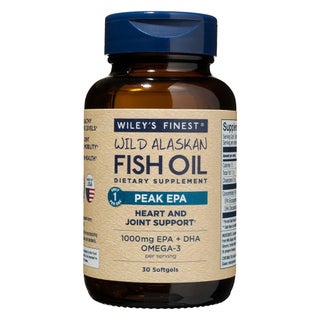
Wiley's Finest Peak EPA 1000mg Omega 3 Softgels, Pack of 30's
Free in 60 mins
20% Off
Subscribe & Save
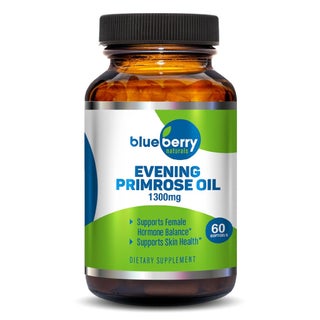
Blueberry Naturals Evening Primrose Oil 1300mg Softgels, Pack of 60's
Free in 60 mins
20% Off
Subscribe & Save
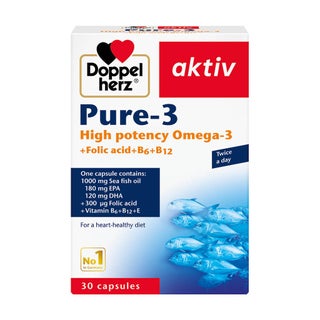
Doppelherz aktiv Pure-3 1000mg Omega 3 Capsules - 30 Capsules
in 60 mins
(current)
1
(current)
2




















 WhatsApp us
 Contact us
 Subscribe & Save