

 30 mins
 At Home



What is Non-Invasive Prenatal Testing (NIPT) Basic?
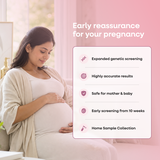
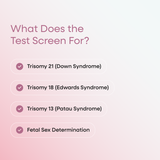
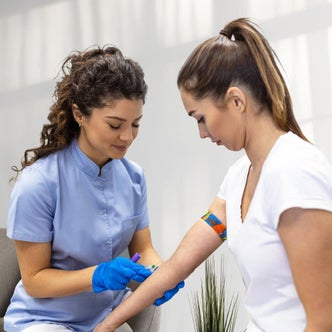
Non-Invasive Prenatal Testing (NIPT) is a prenatal screening test that can be performed from 10 weeks of pregnancy using a simple blood sample from the mother. It screens for the risk of common chromosomal conditions such as Down syndrome (Trisomy 21), Edwards syndrome (Trisomy 18), and Patau syndrome (Trisomy 13). The test can also determine the baby's sex by analyzing small fragments of fetal DNA circulating in the mother's blood.
Non-Invasive Prenatal Testing (NIPT) is a screening test, meaning it estimates the likelihood of certain chromosomal conditions. It does not diagnose genetic disorders, and additional diagnostic testing may be recommended by your healthcare provider if required.
What Does the Test Screen For?
Key Information
Why is it Useful?
Non-Invasive Prenatal Testing (NIPT) helps assess the baby's risk of the most common chromosomal conditions early in pregnancy. Early screening provides valuable information that supports informed discussions with your healthcare provider, helps guide any recommended follow-up testing when needed, and offers greater reassurance throughout your pregnancy journey.




Disclaimer: This is a health package administered by DHA-licensed nurses. It is not a medical treatment or cure. Not suitable for pregnant/breastfeeding women, or individuals with kidney, liver, or active infection conditions. Individual results may vary. For emergencies, seek immediate medical care.























 WhatsApp us
 Contact us