

Blood pressure monitoring is essential for managing cardiovascular health and spotting risks early. Home and (upper-arm, wrist, semi-automatic) measure systolic/diastolic pressure and pulse. Modern models include memory, cuff-fit indicators, irregular-heartbeat alerts, and app connectivity. Regular use helps track trends and supports medical care for hypertension.
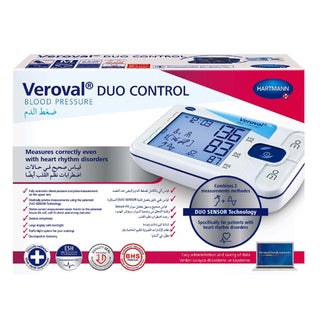
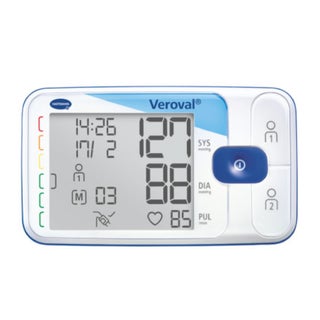
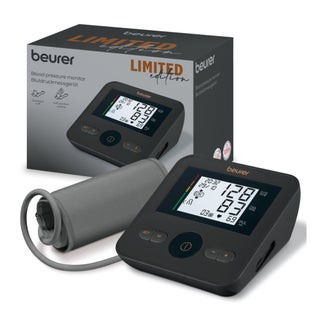
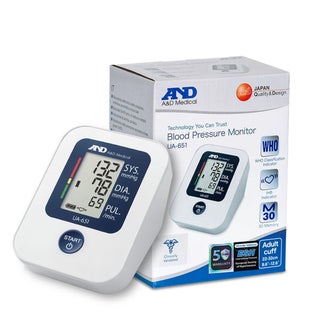
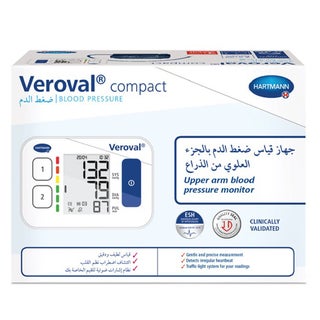
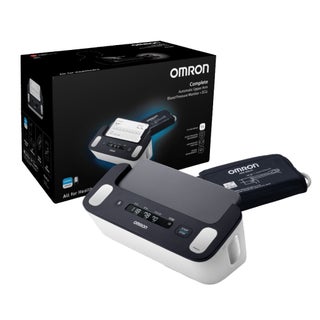
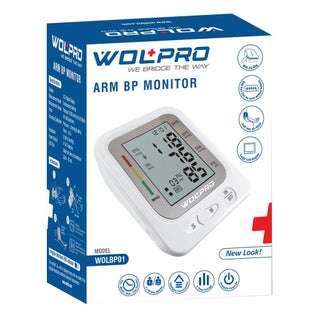
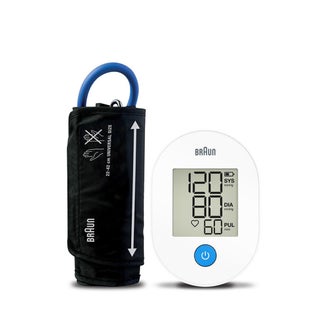
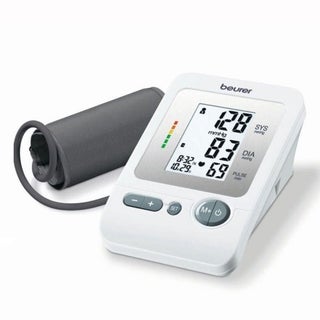
Automatic upper-arm devices provide consistent digital readings. The cuff wraps the upper arm and inflates automatically. These models are widely recommended for home use because the cuff sits near heart level. Look for large displays, memory storage, and average results when comparing models.
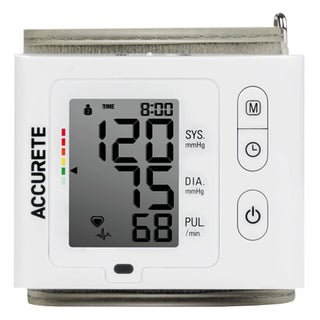
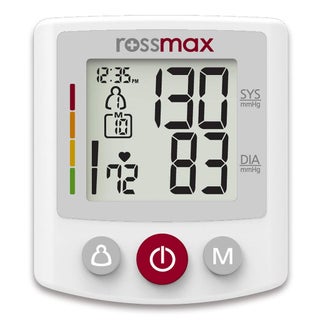
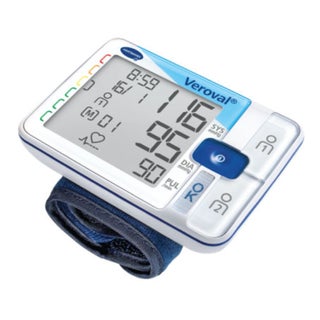
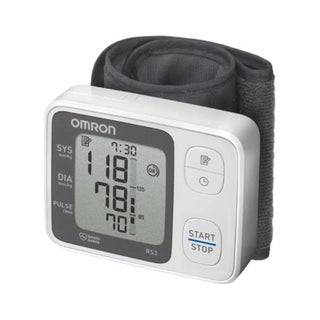
Wrist monitors are compact and easy to carry. They are useful for quick checks or travel. To get accurate results, hold the wrist at heart height and stay still while measuring. Wrist models work well when an upper arm cuff does not fit.
Semi-automatic and professional sphygmomanometers let you control inflation and deflation. They are common in clinics and for trained users at home who prefer the manual technique. These units often pair with a or aneroid gauge and suit detailed monitoring needs.
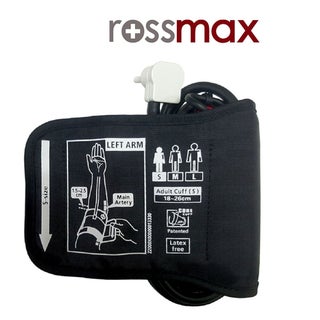
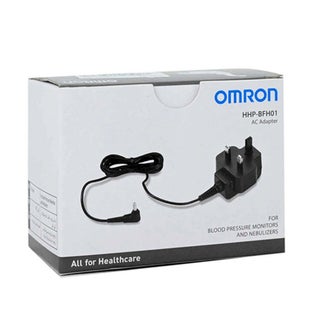
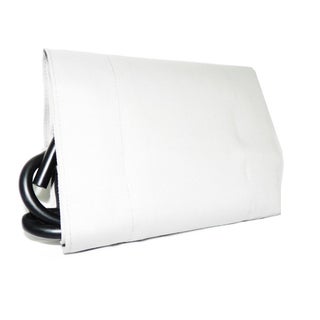
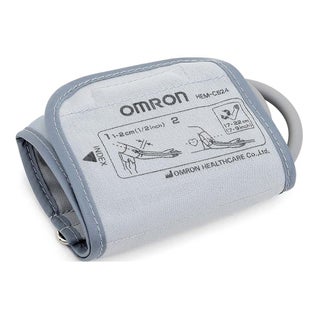
Replacement accessories help keep a blood pressure monitor working accurately over time. Common items include replacement cuffs, AC adapters, and protective cases. Using the correct cuff size is important because an improper fit can affect the accuracy of readings. Some users also choose extra cuffs to accommodate different arm sizes in the household. Power adapters are useful for those who prefer a steady power source instead of batteries.
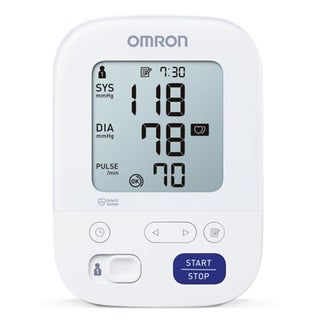
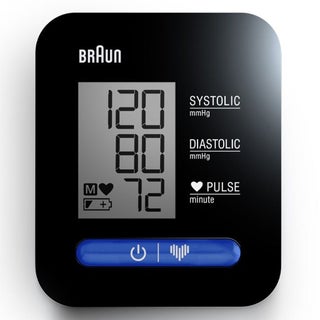
Modern blood pressure monitors include several features that make home monitoring simple and reliable. Digital displays show systolic and diastolic pressure along with pulse rate within seconds. Built-in memory allows you to store previous readings, making it easier to track changes over time.
Many models also calculate the average of multiple readings to provide a clearer result. App connectivity can turn the device into a basic heart health monitor by recording and organising readings on your smartphone. Additional features such as irregular heartbeat alerts and cuff-fit indicators help reduce user error and improve measurement accuracy. Most devices run on batteries, while some also support AC adapters, giving you flexible options for everyday use.
Use a monitor if you have high blood pressure, a family history of hypertension, or need regular checks while on medication. They also help people who want to track blood pressure between clinic visits. Daily or weekly checks can show how lifestyle or treatment affects numbers. If in doubt, follow your doctor’s recommendation on frequency and timing.
Sit quietly for five minutes before measuring. Rest your arm on a flat surface so the cuff is level with your heart. Avoid caffeine, smoking, or exercise 30 minutes before a reading. Take two readings one minute apart and use the average. Follow the device manual for cuff placement and posture to maintain consistent readings.
Buying from this platform gives access to multiple trusted brands and clear product information. You can filter by brand, price, and delivery options. Replacement cuffs, adapters, and fast-delivery options are available across many listings. Payment options and app deals make checkout flexible. For product range and current offers, check the site listing.
A. An automatic upper arm monitor is usually best for home use because it gives consistent, easy readings.
A. Yes, automatic digital monitors are accurate when used correctly and with the right cuff size; follow the manufacturer’s instructions.
A. Check as your doctor recommends, typically once or twice daily when starting treatment, or weekly for routine monitoring.
A. No prescription is usually required to buy a home blood pressure monitor online in the UAE.
A. You can buy trusted brands and accessories from reputable UAE pharmacies and health platforms, which provide product details and delivery options.


 WhatsApp us
 Contact us

 Free Delivery by